• +1-800-513-5423

Alcohol and Drug Addiction Blogs

A Message Mothers

Erik Epp No Comments
Addiction no More Header Banner

 A message to all the mothers out there struggling with addiction  


      When a mother has become addicted, there is a war going on that people do not recognize—the quiet internal war that is fought by mothers struggling with addiction. This battle is waged in quiet and behind closed doors, which is often hidden behind fake smiles, daily routines, and overwhelming pressure to hold it all together.

If you are a mother in that fight right now, know that you are not beyond help and not beyond hope.

Withdrawal symptoms associated with a Xanax dependency may include: * Anxiety, aggression, irritability (anxiety may be elevated if the individual has been prescribed Xanax for anxiety). * Weight gain, appetite changes, and increased appetite are very common in heavy Xanax abusers. * Paranoia, poor memory recall, obsessive thoughts, inability to concentrate, and intrusive memories are common in some. * Hallucinations, cravings, cold and flu-like symptoms, tingling and numbness in the extremities and face, dizziness, and headaches have been reported. * Some people can experience nausea, vomiting, fatigue, and dizziness, and in some cases, skin rashes and irritation are seen.
Being addicted does not automatically make you a bad mother. It makes you “human”. A human being who is facing something powerful, which can sometimes rewire their mind, distort their priorities, and try to convince them that they are stuck. You are not stuck- you have already begun the first step by coming to the realization that you may require help and support from a structured rehab center. It takes courage to take the first step. That first step matters more than you think.

Children do not need perfection, a flawless past, or a spotless record. What they need is you. Children need their mothers to be present, honest, and willing to fight for a better future. When you decide to seek help, remember that it is not a failure on your part; it is one of the most powerful acts a mother can take for a better future for herself and her kids.

Getting help does not make you a bad mother or signal that you are one. It shows that you are strong enough, that you care enough, and love enough to do whatever it takes to correct your current condition. Seeking treatment, counseling, or support groups makes you a mother who wants to correct the past and move to a better future. This is something you should be proud of.

When you seek help to recover from addiction, your story becomes an inspiration to others. Your story becomes a light for others in the dark, wondering whether they are too far gone, whether there is even a way out. Or if it is even worth trying. It is worth it, and you prove it every day.

For the mother who is still struggling with addiction: let this be the moment that you stop waiting to seek help. May this moment be the time when you reach out, make a call, ask for help. Not because you are broken, but because you are ready and want a change.

1-800-513-5423

Drug rehabs that let you bring your kids with you.


Now, for the mothers who have battled addiction and are still showing up; keep going and keep being the example for others to follow. You have become an inspiration to others, showing that recovery is possible. If you are at the beginning of your recovery or on the journey for years, one truth remains.

A mother’s love is stronger than any addiction.

#MothersInRecovery #AddictionRecovery #HopeAndHealing #StrongerThanAddiction

How to Help a Loved One After Rehab: A Family Guide to Recovery at Home

Erik Epp No Comments
call us today for help locating addiction treatment services

How to Help a Loved One After Rehab: A Family Guide to Recovery at Home

When we have to send a loved one to rehab for drug or alcohol addiction, it can leave the family carrying guilt, grief, anger, and even resentment. These are natural defenses of past experiences that have been a direct result of the addiction. When a person enters rehab, they are getting help for their addiction, and the family is left without a road map to help them with their own past trauma. This is why they say that “addiction is a family disease”.

When looking to find treatment for a loved one, it is important to take yourself into account as well. The problem lies with the fact that your loved one is going for help and counseling, while you feel that you are bearing the brunt of the consequences for their actions and habits that led to the need for treatment of a substance use disorder. These feelings are justified and can lead to the family feeling slighted and angry about all the things that you are left to deal with while the person in treatment is healing from their own trauma. There are proactive things that can be done to help the family heal as well.

Healing a family is not automatic; it takes intentional work, just like recovery itself. Below, we have laid out a practical breakdown of steps to help start the healing process.


In this article, we will cover:

How families can heal from trauma

Addressing co-dependency

How to set up your home to accommodate a freshly out of rehab family member

Where to turn for help

How to avoid triggers that may lead to relapse

How to recognize dangerous behaviors before they lead to relapse

What to do if your loved one relapses


How to Help a Loved One After Rehab: A Family Guide to Recovery at Home.

How families can heal from the trauma a loved one caused with their addiction.

Families need to acknowledge emotional trauma and not minimize it. Skipping this step backfires, so it is very important not only to acknowledge it but also to take steps to correct it. The common emotions include Guilt (did I cause this?), Shame (what will people think?), Anger (why did they do this to us?) Fear (what if they relapse?). These are all normal reactions. When we send someone to treatment, it can feel like an act of love and a betrayal at the same time. You didn’t just send someone away; you went through trauma, also.

Separate your love for them from responsibility

One of the greatest breakthroughs for families is understanding that you can love someone deeply without being responsible for their addiction or recovery. This aligns with programs like Alcoholics Anonymous, which teaches that you can’t control it and that you can’t cure it. Letting go of control reduces anxiety and prevents burnout.

How to set up your home for someone returning from rehab

Remove all substances and triggers, including alcohol/cooking alcohol, old prescriptions, or any drug paraphernalia. Remove triggers also include bar set ups, party decor or environments, and media that glamorizes heavy use (very important in early recovery).

Lock down all necessary medications by using a lockbox that one responsible person dispenses, and track dosages if any medications are prescribed.

Create a structured environment for them by having wake-up times and sleep times consistent, scheduled meals, meetings, and or outpatient therapy regularly scheduled. All these things will help them get a routine while helping them structure their time to be productive and proactive in their recovery.

Establish clear and consistent house rules (before they return)

We will give a few examples of generic house rules but the actual rules you set are and should be set by your concerns past experiences, so adjust your own rules as needed to make you feel comfortable to have your loved one return from rehab.

No drugs or alcohol in the home

Mandatory participation in recovery meetings and or therapy sessions

Curfew if applicable

Financial transparency if money has been an issue

You need to set some boundaries (not just rules). Rules are about the house, but the boundaries are about your response to breaking the rules. For example, if the rule is not to bring drugs or alcohol into the home, the boundary would be that if you use, you cannot stay here. So, using this example, you can set your own rules and boundaries.

Control social interactions

When someone is in early recovery, exposure to situations or environments that can be triggers should be curtailed. Being in early recovery is as hard as going to rehab, but there are a few things you, as the family, can do to minimize the risks. Limiting visitors who use substances, no parties in the home, and encouraging connections with sober people can help make the transition a bit easier. Boredom can be one of the biggest triggers for some, so keep it interesting, help them find things they like to do for fun, and encourage them.

A recovery-ready home is

Predictable with a consistent routine

A controlled environment with no access to substances

Accountable (clear boundaries)

Supportive but not enabling

12 steps of recovery counseling and drug rehab

Rebuilding Trust Slowly 

Trust is usually damaged, and sometimes it is repeatedly damaged and should be rebuilt slowly. Healthy rebuilding looks like setting clear boundaries (not punishments), letting actions, not promises, prove change, and accepting that trust comes back in layers (through positive actions, reparations, following through with tasks and responsibilities).

Instead of a blanket, “I trust you again” approach we recommend that you trust what you consistently see over time and build on that. The main goal of trust rebuilding is to set the guardrails and, when you see positive outcomes, give them more room. This will help them avoid feeling overwhelmed in early recovery while allowing for your own peace of mind throughout this process.

Drug rehab programs for heroin abuse offer group therapy and one on one counseling

Where to find support outside of the family

Healing isolation can be one of the biggest mistakes you can make. Seeking help for the family can give them an understanding of how addiction can become a family disease. It is important to utilize resources like Nar-Anon, Parents of Addicted Loved Ones (PAL), and Al-Anon/Alateen to find support for yourself through community meetings and get-togethers. You will meet other families that have been affected by addiction and have groups to share with and learn from. Recovery groups for families can not only help you avoid pitfalls but also help you learn how to recognize triggers that can lead to your loved one relapsing.

Seeking external support will give you a new perspective, language that supports what you are feeling, and tools that you would not naturally develop on your own.

There also some great online resources where you can learn all about family and recovery, Samhsa has a section that covers this quite extensively samhsa.gov/mental-health/children-and-families/coping-resources.

Cocaine addiction can cause issues in your family life.

Addressing codependency patterns

Many families unknowingly adapt unhealthy ways to adapt, which can include over-controlling, enabling bad behaviors, walking on eggshells, and even losing one’s own identity to accommodate a loved one’s proclivities. Understanding co-dependency is critical to breaking the cycle. Healing means the whole system needs to change, not just the person in rehab.

Creating New Family Norms

After the individual comes back from rehab, the normal old system that was in place cannot come back; it is the part that didn’t work. You and the family need to build a new system and create a healthier structure that is founded on honest communication (even when it is uncomfortable, set clear expectations and boundaries, and require regular check-ins (not interrogations). Think of this time as rebuilding – not restoring.

Accepting that relapse may be part of the recovery process

When our loved ones relapse, we often blame ourselves for not being there, or trusting them too much, or a myriad of other things that can go through our heads. This is not the case; the individual made a choice, and that choice is theirs alone. We need to remember that a relapse does not erase all the progress you or they have made. When a family is healing from addiction, they respond differently, suffer less chaos, and maintain stability regardless of their choices. That is real strength.

If relapse happens, *STAY CALM* and assess the situation. You need to determine if they are safe and determine if there is an overdose risk, if they need medical attention, or if they are a danger to themselves or others. Stabilize first, react later. Do not react emotionally, and avoid yelling, lecturing, guilt-tripping, or threatening anything you are not ready to enforce immediately. Instead, stay calm, direct, and factual. “This isn’t ok, we are very concerned, we need to address this, so it doesn’t happen again.

Reinforce boundaries immediately if your boundary was no substance abuse in the house; it must be enforced. Love without boundaries = enabling, and boundaries without follow-through =meaningless. There must be a shift from punishment to consequences and solutions. If they relapse, they can’t stay in the home, but they can be offered help to get back into treatment. This will offer them a path forward without cutting them off completely.

Affordable drug rehabilitation centers use the same type of treatment therapies that the more expensive programs use.

Practice forgiveness without forgetting your boundaries

Forgiveness is often misunderstood, forgiving someone does not erase the damage done, it is just an acceptance of the damage with an understanding that the act that created the damage was a mistake not to be repeated. It does not mean that we trust too quickly, ignore past harm, or remove consequences. It does mean that we let go of constant resentment and will choose peace over control
Drug rehabs that let you bring your kids with you.

Take care of yourself (This is non-Negotiable)

When a family member is in rehab or just recently released, families can pour all their energy into that person and neglect themselves. This can have some serious consequences, as you cannot stabilize someone else if you are emotionally depleted. Your healing can have a direct impact on their healing. Make sure that you have sleep, nutrition, and a regular routine. When you are feeling drained, take some time away from the situation and get a restart. If you need some help, there is always the option of seeking professional counseling or attending some Al-Anon or Nar-Anon meetings.

In conclusion

When we send someone to rehab it is not just their turning point in the addiction but ours as well. Families heal faster when they stop carrying what is not theirs to carry, start addressing their own wounds and learn new ways to love without losing themselves in the process.

https://www.samhsa.gov/find-help/helplines/national-helpline

Free My Addiction

Helping a Loved One with Addiction During the Holidays

Erik Epp No Comments

Helping a Loved One with Addiction During the Holidays: Why Families Must Act Now to Get Addiction Treatment

The holiday season is one of the most critical times of the year for families dealing with addiction. Increased stress, emotional triggers, family gatherings, and easy access to alcohol make the holidays especially dangerous for anyone struggling with drug addiction or alcohol addiction. If you’re searching for help with a loved one’s substance use, drug abuse, or alcohol dependency, this is the moment to act. Waiting to get addiction treatment can be life-threatening. The best time to enter rehab, detox, or addiction treatment is right now.

1-800-513-5423


Going to rehab during the holiday season.

Families often ask: “Is the holiday season a good time to enter drug rehab or alcohol rehab?”

The simple truth is: There’s never a ‘perfect’ time to go to rehab. The only time that truly matters is the moment your loved one finally says yes to help… Waiting because it’s the holidays? That’s how chances get lost or how something goes horribly wrong while they’re still using. If they’re willing right now, act now.

The holiday season is the most high-risk season for addiction, relapses, and overdose. Drug and alcohol addiction can become unmanageable as stress rises, making this one of the most dangerous periods of the year for individuals struggling with substance use disorders.

During the holidays, families often see:
Increased drug or alcohol use
Emotional outbursts or withdrawal
Missed family events
Financial issues connected to substance abuse
Signs of overdose risk
Severe depression or hopelessness

If you are searching for affordable drug rehab, detox centers near me, or professional interventionists, you are taking the right step forward. Doing nothing is the most dangerous option.

rehab for the holidays

Why an Addiction Intervention During the Holidays Can Save a Life

Holding an addiction intervention, especially during the holidays, can be incredibly effective. Family presence, heightened emotions, and a clear contrast between holiday expectations and addictive behavior can motivate your loved one to enter drug rehab or alcohol rehab today.

We provide professional nationwide intervention services, offering families:
Same-day intervention support
Experienced drug and alcohol interventionists
Step-by-step guidance
Safe, structured communication
Direct transportation to treatment

Why entering treatment today is important and could save the life of your loved one.

Families often believe that they should wait until the holidays are over, after a birthday, or after the New Year. But addiction does not wait, addiction does not slow down, addiction will not take a holiday break. The best time to enter treatment for addiction is now. Same-day placements save lives, and delaying drug rehab or alcohol treatment even for a moment can result in irreversible consequences. If your loved one agrees to treatment, take action before fear, withdrawal, or cravings make them change their minds.

How We Help Families Find Effective and Affordable Addiction Treatment

Searching online for addiction treatment can feel overwhelming. Whether you found us by searching “drug rehab centers,” “alcohol rehab programs,” “best addiction treatment,” “luxury rehab facilities,” “affordable rehab near me,” or “dual diagnosis treatment,” our team is here to make the process simple and fast.

Staying sober during the holidays

We Help You Find the Right Drug Rehab or Alcohol Rehab Program

We work with trusted detox centers, inpatient treatment programs, residential rehabs, dual-diagnosis centers, MAT programs, and long-term addiction treatment facilities across the country.

We help families compare:
Levels of care (detox, residential, PHP, IOP)
Insurance coverage
Treatment options for drug addiction and alcohol addiction
Mental health and dual-diagnosis programs
Amenities at private and luxury rehab centers
Fast, Free Insurance Verification for Addiction Treatment


Before committing to any treatment center, we verify your insurance coverage, so you understand exactly:
What rehab costs are covered
What out-of-pocket expenses to expect
Which rehab centers are in-network

If you are searching for “rehab that takes my insurance,” “drug rehab insurance verification,” or “affordable addiction treatment options “we can help you get clear answers fast and be able to connect you with the right drug or alcohol rehab that will not only work for your budget but also your expectations for treatment and the services you require to make you stay not only comfortable but effective.

1-800-513-5423


When someone becomes dependent on their alprazolam or Xanax prescription, they may need the services of a detox center.


When you or your loved one is ready to take the first step, speed matters.

We offer same-day placements.
Immediate transportation
Direct coordination with the rehab center
Nationwide professional intervention services
Acting now will help you or a loved one avoid second thoughts and will start your recovery journey now. The first step to any recovery is admitting we have a problem and that we need help to overcome it.

Take action Today — Addiction Treatment Now Can Save Your Loved One’s Life

1-800-513-5423


If your loved one is struggling with alcohol addiction, drug addiction, opioid addiction, or any form of substance abuse, today is the time to act. The holiday season raises the risk of relapses, overdoses, and emotional crises. You do not have to wait. You do not have to manage this alone.

Call our addiction specialists and treatment counselors for help locating drug detox or a treatment centers for addiction near you.

Erik Epp – Content Author

Reasons It’s Good to Get Sober

Addiction No More ® No Comments
family looking at sunset together after recovering from addiction in a private drug rehab

Reasons It’s Good to Get Sober

Choosing sobriety is one of the most life-changing decisions a person can make. Whether struggling with alcohol, drugs, or both, embracing a sober lifestyle opens doors to physical, mental, and emotional well-being. Here are ten reasons why getting sober is worth every step of the journey.


Recovery is possible at a court ordered drug rehab center

1. Better Physical Health
Sobriety gives your body the chance to repair itself from the wear and tear caused by alcohol or drug use. Organs like the liver, kidneys, and heart can recover, and the immune system strengthens, helping you fight off illnesses more effectively. You may notice improvements in energy, stamina, digestion, and overall physical vitality. Over time, quitting harmful substances can reduce the risk of chronic diseases, improve cardiovascular health, and even reverse some long-term damage caused by prolonged substance abuse.

2. Improved Mental Clarity
Addiction often clouds thinking, memory, and judgment. When you get sober, your brain can start to repair the neural pathways affected by substance use, improving memory retention and cognitive function. Clearer thinking helps with decision-making, problem-solving, and planning for the future. Sobriety also reduces brain fog and anxiety caused by withdrawal cycles, giving you the ability to focus on work, relationships, and personal growth with a renewed sense of control.

3. Stronger Relationships
Addiction can strain even the closest relationships due to broken trust, emotional distance, or erratic behavior. Sobriety allows you to rebuild these bonds through honesty, accountability, and consistent effort. You’ll be better able to communicate your feelings, offer and accept support, and participate fully in family and social life. Over time, sobriety fosters a stronger sense of connection, deepening intimacy and trust with loved ones.

being sober rocks!

4. Financial Freedom
Substance use often comes with a high financial cost—from purchasing drugs or alcohol to legal fees, health expenses, and lost income due to missed work. Sobriety frees you from these financial drains, allowing you to save money, pay off debts, or invest in experiences that enrich your life. Managing finances without the pressure of funding an addiction can reduce stress, provide stability, and open opportunities for personal and professional growth.

5. Emotional Balance
Addiction is often a way to numb or escape from difficult emotions. Sobriety teaches you to face emotions head-on while developing healthy coping mechanisms. Over time, you build resilience, self-awareness, and emotional intelligence. You can respond to stress, conflict, and setbacks in a healthier way, leading to more consistent moods, fewer emotional outbursts, and a stronger sense of inner stability and self-worth.

6. Personal Growth
Sobriety opens the door for exploration and self-improvement. You gain time, focus, and energy to pursue hobbies, creative projects, or educational goals that may have been neglected. Many people in recovery discover new passions, strengthen their skills, or pursue career advancement. Recovery is a journey of self-discovery, helping you understand your values, build confidence, and create a purposeful life beyond addiction.

Beach therapy is included at drug rehab centers on the beach.

7. Better Sleep
Substance use disrupts natural sleep cycles, leading to insomnia, restless nights, or poor-quality rest. Sobriety allows your body to restore regular sleep patterns, improve REM sleep, and increase overall restfulness. Better sleep contributes to improved mood, focus, immune function, and physical health. You’ll wake up feeling more energized, alert, and ready to tackle daily challenges.

8. Spiritual Connection or Inner Peace
Many people find that sobriety deepens their spiritual awareness or helps them reconnect with faith, morality, or a sense of purpose. Even for those who are not religious, sobriety can bring inner peace and mental clarity that was unattainable while using substances. Developing mindfulness, meditation, or spiritual practices can enhance emotional resilience and provide comfort, helping individuals navigate life’s ups and downs with serenity and purpose.

9. Improved Appearance and Confidence
Substance use often takes a visible toll on the body and appearance. Sobriety can lead to clearer skin, a healthier weight, brighter eyes, and increased vitality. As physical health improves, confidence and self-esteem often follow. Looking and feeling better can motivate continued recovery, foster positive social interactions, and empower you to pursue personal and professional goals.

10. Longer, Fuller Life
Ultimately, quitting substances improves not just the quality of life, but also longevity. Sobriety lowers the risk of heart disease, liver damage, cancer, and other health complications linked to addiction. It allows you to fully participate in life—forming meaningful relationships, pursuing ambitions, and enjoying everyday experiences. By removing harmful substances from your body, you create the opportunity for a healthier, happier, and more fulfilling life for yourself and those you love.

recovery is possible if you go to a 12 step rehab program today


Conclusion:
Getting sober is more than quitting substances—it’s a lifestyle that benefits your body, mind, relationships, and future. The journey can be challenging, but the rewards are profound and life-affirming.

1-800-513-5423

addiction specialists are waiting to take your call. 1-800-513-5423

For immediate service call now. 24/7 free helpline for addiction services.


Christian Addiction Recovery Programs in Texas Covered by PPO Insurance

Addiction No More ® No Comments
Bible study and faith based group meetings help the client recovery from addiction and renew their faith in god

Faith-Based Addiction Recovery Programs in Texas Covered by PPO Insurance

Healing the Mind, Body, and Spirit Through Christ-Centered Treatment

 For people who are looking to overcome addiction in a center based on a strong foundation of faith, Texas offers a variety of Christian-based rehab programs designed to support spiritual growth alongside clinical recovery. These faith-based programs integrate evidence-based treatment with prayer, scripture, and pastoral counseling, providing a path to healing grounded in grace, forgiveness, and spiritual renewal.

Even better, many of these faith-based rehab centers accept PPO insurance plans from providers like Aetna, Cigna, Blue Cross Blue Shield, and UnitedHealthcare, making quality Christian addiction treatment more accessible than ever.

Christian drug rehab centers are based on biblical teachings and Christian 12 steps.

What Is Faith-Based Addiction Treatment?

Faith-based or Christian drug rehab programs approach addiction as a battle of both the spirit and the body.

These programs often include:

*Daily devotionals and Bible study
*Pastoral counseling or spiritual mentorship
*Christ-centered 12-step programs
*Worship services and prayer groups
*Trauma-informed therapy through a spiritual lens
*Support for rebuilding broken relationships and restoring faith

These elements are integrated with clinical approaches, including individual counseling, group therapy, dual diagnosis treatment, and relapse prevention planning.

Types of Faith-Based Treatment Programs in Texas

Whether you’re looking for a short-term detox or a long-term residential stay, Texas has faith-based recovery programs to meet every need:

Inpatient Residential Programs – Live-in recovery in a supportive, Christ-centered setting

Outpatient Christian Counseling – Day programs with flexible scheduling and biblical counseling

Dual Diagnosis Faith-Based Rehab – For those battling both mental health issues and addiction

Men’s and Women’s Faith-Based Facilities – Gender-specific programs built on spiritual values

three women sitting outside, praying, at a christian drug rehab center

PPO Insurance Coverage for Faith-Based Rehab

The good news? Many Christian-based rehabs in Texas do accept PPO insurance.

This includes plans through:
*Aetna

*Cigna

*Blue Cross Blue Shield

*UnitedHealthcare

And other major insurers

Your insurance may cover all or most of the cost, including detox, counseling, room and board, and aftercare. Our team can help verify your benefits and match you with a faith-based program that fits your needs and financial situation.

 Most faith-based luxury centers do not accept Medicaid or Medicare.
 Private pay options are available if you don’t have PPO insurance.

In a bible based Christian drug rehab center you will be allowed to attend church.

 Who Is Faith-Based Rehab Right For?

*Individuals who want to strengthen their relationship with God during recovery

*Those who find comfort and structure in spiritual practice

*People who have relapsed and want a deeper sense of purpose

*Anyone who feels disconnected and is seeking grace, forgiveness, and direction
Addiction No More can help you find addiction treatment near you, in Texas.

Where to Find Faith-Based Rehab in Texas

Texas is home to several reputable Christian rehab centers located in and around:

Dallas

Houston

San Antonio

Austin

Fort Worth

Tyler

Waco

From quiet countryside retreats to more structured programs in major metro areas, these programs offer compassionate care rooted in Christian values.

drug rehab centers near me in the state of texas are free of cost and paid for by private health insurance, Medicaid and government funding

Call now for help locating a drug rehab center today.

 Get Help Today — Christian Recovery Starts Here


If you’re searching for a faith-based addiction recovery program in Texas that accepts PPO insurance, we’re here to help. Our team will walk you through the process, verify your coverage, and connect you with a program that honors your faith while helping you break free from addiction.

Call Now for a Free Insurance Verification

1-800-513-5423

[✔️ Verify Insurance Coverage →]

Substance abuse treatment centers that are Bible-based will help you or a loved one rebuild a relationship with GOD. This foundation is one that will stand the test of trials and tribulations.

Sources
The Bible
Wikihow: How to Perform an Intervention
Mental Health Substance Abuse
Erik Epp – Content Author

Inpatient Drug Rehab with Private Rooms in Florida

Addiction No More ® No Comments
Luxury drug rehab centers have high end accommodations and 5 star reviews.

 Inpatient Drug Rehab with Private Rooms in Florida 

 Luxury, Privacy, and Personalized Care for Recovery 


   For many individuals seeking addiction treatment, comfort and privacy are not just preferences — they’re critical to healing. Inpatient drug rehab with private rooms offers a safe, discreet space to recover, especially for professionals, executives, or anyone seeking a more personalized, less institutional experience.   
Florida is home to some of the top luxury rehab centers in the country, with private accommodations, holistic therapies, and world-class clinical care designed to support your recovery in body, mind, and spirit.
Inpatient Drug Rehab with Private Rooms in Florida that are 5 star rated with swimming pools and saunas.

Why Choose a Private Room During Inpatient Rehab?


Privacy = Comfort = Better Focus

Recovering from addiction can be emotionally and physically intense. Having your own space allows for uninterrupted rest, reflection, and healing — without the stress of sharing a room with strangers.

Confidentiality
Professionals, public figures, or those with high-profile lives often require a discreet environment. Private rooms help maintain dignity, safety, and full confidentiality.

Lower Risk of Conflict or Distraction
Shared rooms can increase stress, trigger social anxiety, or expose clients to others’ disruptive behaviors. Private rooms reduce those risks and allow you to focus on your own recovery journey.

What to Expect in a Luxury Florida Rehab with Private Rooms

Most high-end facilities in Florida offer more than just a private bed — they provide a full resort-like experience designed to promote healing:

*Private or semi-private suites with en-suite bathrooms
*Chef-prepared meals and customized nutrition plans
*Access to yoga, massage therapy, art/music therapy
*Individual therapy, group sessions, and trauma-informed care
*Amenities like pools, fitness centers, meditation spaces, or private balconies

These programs blend clinical excellence with comfort, making it easier to focus fully on recovery.

Inpatient Drug Rehab centers have private rooms with private bathrooms.


Who Benefits Most from Private Room Rehab?

*Business owners, executives, or working professionals
*People with anxiety, trauma, or sensory sensitivities
*Those needing confidentiality due to legal, public, or family situations
*Anyone simply wanting a quiet, comfortable recovery experience

Cost & Insurance for Private Inpatient Rehab in Florida

Start Your Recovery with Dignity and Comfort


Many luxury inpatient rehabs in Florida accept PPO insurance plans such as Aetna, Cigna, Blue Cross Blue Shield, or UnitedHealthcare. Private pay options are also available. Medicaid and Medicare are typically not accepted at high-end facilities, but we can help you find out what your benefits cover.


Start Your Recovery with Dignity and Comfort


If you’re looking for inpatient drug rehab with private rooms in Florida, we can help match you with a program that fits your needs, budget, and lifestyle. Our network includes some of the top-rated facilities offering privacy, medical excellence, and the individualized support you deserve.


Call now for a confidential assessment or click below to verify your insurance.

[📞 Call Now for Confidential Help → 1-800-513-5423 ]

[✔️ Verify Insurance Coverage →]

Call our addiction specialists and treatment counselors for help locating drug detox or a treatment centers for addiction near you.

Maintaining Your Sobriety During the Holidays

Addiction No More ® No Comments
Addiction No More is a drug rehab referral service. We can help you find treatment anywhere in the USA 1-800-513-5423

Staying sober during the holidays

 Maintaining Your Sobriety During the Holidays 

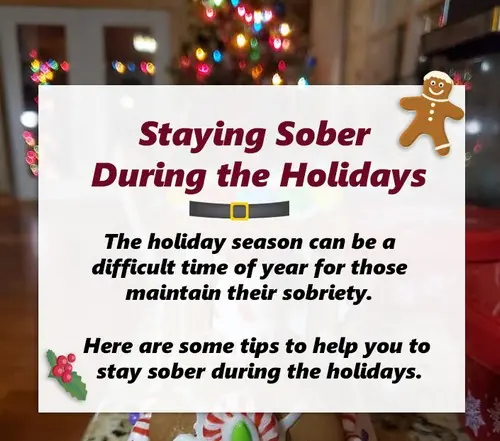
 With the holiday season quickly approaching, Addiction No More would like to help you understand the importance of preparing for these holidays while maintaining your sobriety. The holiday season can be a difficult time of year for many who are trying to maintain their sobriety during Thanksgiving, Christmas, and New Year’s Eve. Many different dynamics can be happening at the same time including family difficulties, preparing for guests, and having to be around people that are not sober. This can be a difficult time for most people in early sobriety or even long-term sobriety. Our goal is to help you navigate the holiday season successfully and give you the tools needed to ensure your sobriety does not end with the holidays.

We recommend that you create a plan that includes attending local meetings, staying in touch with your recovery support circle, and avoiding triggers that can cause you to relapse. Remember to embrace your holiday season with sober activities that bring happiness and joy to your life, including spending quality time with those who support your sobriety, finding sober activities to enjoy, or even starting a new hobby to help enjoy your time. Always remember to prioritize your well-being and set boundaries to protect your sobriety. We here at Addiction No More wish you a very happy and sober holiday season.

gloved hand in the snow holding a tag that reads "be someones reason to smile"

Be someone’s reason to smile this season.


Avoiding triggers and environments that are not healthy for your sobriety.


Taking control of your sobriety is one of the most important steps in recovery, this includes identifying triggers and places that can have a negative impact on your mental health. Identifying triggers can include reflecting on past experiences and patterns that have caused a relapse or made you feel uncomfortable. Once the triggers have been found creating a plan to handle them is crucial for maintaining sobriety. Setting boundaries with friends and family members can help. You can even decline invitations to get-togethers that may be triggering, or have an exit plan in place if the situation is causing you to feel uncomfortable. Finding supportive and sober activities can help you enjoy the holiday spirit without triggers. By making proactive choices and using the available resources you can maintain sobriety and prioritize recovery during the holidays.

Have a support system in place.

Having a strong support system is very important during the holiday season for maintaining your sobriety. Support is one of the foundations for long-lasting recovery and having someone that understands your journey by your side can help. Recovery meetings can help people find like-minded individuals who will offer support and ideas that have helped them stay sober during past holiday seasons. Getting into an outpatient counseling program can also be a good idea during the holiday season for that little extra help and support. Sometimes we may need an exit plan to help us leave uncomfortable situations without causing a scene. This can be as simple as saying you have to leave to go pick someone up, saying that a friend has a flat tire, or any other excuse you might use to get out of work or an uncomfortable situation. Honesty is always the best policy but sometimes it is better not to escalate things in certain situations.

Communicate with your family and loved ones.

Communicating with loved ones and family members before the holidays will help them understand the triggers that may endanger your sobriety. We also suggest that you let your recovery group know that this time of year can be hard for you so you may need a bit more support from them during the holidays. Recovery groups are there for support and understanding and even some tough love when needed so use them and keep on track this year. It is very important to address your boundaries with friends and family, especially regarding alcohol, and ask them to help you by having a sober and supportive holiday celebration. You may need to decline invitations to get-togethers that are not having a sober holiday party. And that is ok. Do not be afraid to tell people that you are not comfortable attending parties that include drinking or substance use. Normalize your sobriety and people will understand that you are not avoiding them but the situation to ensure your own sobriety.
porcelain christmas village

Always remember that you are a good person and be kind to yourself in deeds and thoughts while acknowledging that the holiday season can be challenging. Get in touch with your support group when needed, celebrate your recovery milestones, and practice self-compassion. Successful recovery can require ongoing help and support even years after completing a recovery program. Do not try and do everything on your own, get support from friends, family, and recovery groups. Be honest with them and discuss your triggers as this will give them a better understanding of your current recovery goals and pitfalls that could end your sobriety.


Have a great sober holiday season.

Addictionnomore

Overcoming Benzodiazepine Addiction

Erik Epp No Comments
Addiction No More is a drug rehab referral service. We can help you find treatment anywhere in the USA 1-800-513-5423

Overcoming Benzodiazepine Addiction

If you are experiencing withdrawal from your medications, you may have become physically dependent on your prescription. Common benzo withdrawal symptoms may include flu-like pains, nausea and or vomiting, pounding heart, uncontrollable feeling of despair or panic, heavy bouts of perspiration, hallucinations, psychosis, muscle spasms, seizures, delirium, and grand mal seizures. If you are experiencing any of these symptoms consult a doctor immediately and then give us a call to discuss your options for treatment and or detoxification. Benzodiazepines are some of the easiest drugs to become addicted to and one of the most dangerous drugs to detox from. If you are also taking an opioid-based medication make sure that your prescribing doctor is aware of the risks involved with adding benzos to your prescription regimen. Benzodiazepine-opioid interactions are very dangerous and can become life-threatening. 

Benzodiazepines are prescribed by doctors to help treat a wide variety of conditions related to the central nervous system. Benzos are not designed for prolonged use and should be relegated to no more than 4 weeks of continued use for most patients. Some cases can benefit from use-as-needed prescriptions with supervision, to ensure that dependency does not take hold.  25% of people who are prescribed benzos will develop a dependency on their medications, according to recent research. Once you have developed a dependency on benzos it can be close to impossible to stop the use without a medical detox. A full recovery can be achieved with the help of therapy and detox. Give us a call toll-free and we can give you the options for detox and treatment in your area.  

1-800-513-5423

Symptoms of Benzodiazepine Withdrawal include aches and pains, delirium, muscle spasms, anxiety, depression, nausea, insomnia, gran mal seizures, abnormal body sensations

Symptoms of Benzodiazepine Withdrawal include aches and pains, delirium, muscle spasms, anxiety, depression, nausea, insomnia, granmal seizures, abnormal body sensations


List of benzos and what they are prescribed to treat

Alprazolam (Xanax) Prescribed for anxiety, and panic disorders short-acting benzo 6-26 hours

Chlordiazepoxide (Librium, Librax)  Prescribed for Lennox-Gastaut syndrome, adjunct (seizures), alcohol withdrawal, and benzo replacement Detox. Longer-acting benzodiazepine 71.81 hours

Clonazepam (Klonopin) Prescribed for seizure disorders, panic disorder, neuralgia (nerve pain)  long-acting 20-50 hours 

Clorazepate (Tranxene) Prescribed for anxiety, alcohol withdrawal, and partial seizures Long-acting 20-100h 

Diazepam (Valium) Prescribed for anxiety, sedation, alcohol withdrawal, muscle spasms, and seizure disorders long-acting Benzo 20-100 hours

Estazolam (ProSom)  Prescribed for insomnia recommended only short term use medium acting 10-24 hours

Flurazepam (Dalmane) Prescribed for insomnia (short-term use only) 40-100 hour long-lasting benzodiazepine

Lorazepam (Ativan) Prescribed for anxiety, insomnia short-term use, seizures, and sedation. This is a medium-acting Benzo 10-20 hours

Midazolam (Versed) Prescribed for sedation, preoperative; general anesthesia induction, and seizures. Short-acting medication 2.5 hours oxazepam (Serax) Prescribed for anxiety, and alcohol withdrawal short-acting Benzo 5 – 15 hours

Temazepam (Restoril) Prescribed for insomnia for short-term use. Medium acting benzo 5-15 hours

Triazolam (Halcion) Prescribed primarily for insomnia on a short-term use prescription. Short-acting benzo 2-5 hours

Benzo and opioid overdoses are on the rise in the country. If you are taking benzos and an opioid get help now before a benzo opioid interaction happens to you.

When combining Benzodiazepines and opioids there is a significant increase in the chances of accidental overdose. More than 30% of opioid overdoses are also testing positive for benzos and in 2015, 23% of people who died from opioid-related overdoses were also using benzodiazepines. People who are using both benzos and opioids are at a higher risk of having to be admitted into the hospital for a drug-related emergency. If you are using both benzos and opioids you are putting yourself in danger of a fatal overdose.

Do not stop any prescription medications without consulting your doctor first. Most doctors will help you taper down your medications to help avoid heavy withdrawal symptoms. If you have been prescribed short-acting benzos for longer than 4 weeks the chances of dependency go up exponentially.
If you are experiencing withdrawal symptoms and or starting to run out of your medications before the prescription is ready to be refilled give us a call. We can help you find freedom from this addiction and start you on the road to recovery. Do not wait until it is too late. Help is just a phone call away 24 hours a day 7 days a week.   

Treatment improvement protocol (TIP) series, no. 38. Rockville, MD.

https://findtreatment.gov/

HIPAA PRIVACY LAWS

www.ncbi.nlm.nih.gov

Smart Recovery Meetings

Erik Epp – Content Author

1-800-513-5423

Talking With Your Teen About Drugs and Alcohol

Addiction No More ® No Comments
Addiction No More is a drug rehab referral service. We can help you find treatment anywhere in the USA 1-800-513-5423

Talking With Teenagers About Drugs and Alcohol


Teen Drug Addiction is becoming more and more prevalent with the legalization of Marijuana. The amount of teens needing help with addiction has risen dramatically since 2016. 

Young adult drug and alcohol rehab can save the life of a teen who is in need of treatment. These types of treatment programs for teens are separate from adult facilities. 

The issue of drugs can be very confusing to young children. If drugs are so dangerous, then why is the family medicine cabinet full of them? Why do TV, movies, music, and advertising often make drug and alcohol use look so cool? It is never too soon to begin helping our kids distinguish fact from fiction between what they see on TV and what happens in the real world. National studies show that the average age when a child first tries alcohol is 11, for marijuana, it’s 12. Many kids start becoming curious about these substances even sooner. So let’s get started!
Teenagers are more likely to "huff" or try to get high from inhaling chemicals.

Teenagers are more likely to “huff” or try to get high from inhaling chemicals.

Listen to your Kids

Student surveys reveal that when parents listen to their children’s feelings and concerns about drugs or alcohol, their kids feel comfortable talking with them and are more likely to stay drug-free.

Talk to your kids and Role Play Situations

Role play way in which your child can refuse to go along with his friends without becoming a social outcast. Try something like this, “Let’s play a game. Suppose you and your friends are at Andy’s house after school and they find some beer in the refrigerator and ask you to join them in drinking it. The rule in our family is that children are not allowed to drink alcohol. So what could you say?”

If your child comes up with a good response, praise him. If he doesn’t, offer a few suggestions like, “No, thanks. Let’s play the PS3 instead,” or “No thanks. I don’t drink beer. I need to keep in shape for basketball.”

Making the Right Decisions

Allow your child plenty of opportunities to become a confident decision-maker. An 8-year-old is capable of deciding if they want to invite lots of friends to their birthday party or just a close pal or two. A 12-year-old can choose whether they want to try out for football or join the school band. As your child becomes more skilled at making all kinds of good choices, both you and your child will feel more secure in their ability to make the right decision concerning alcohol and drugs if and when the time arrives.

Learn Age-Appropriate Information

Make sure the information that you offer fits the child’s age and stage. When your 6 or 7-year-old is brushing his teeth, you can say, “There are lots of things we do to keep our bodies healthy, like brushing our teeth. But there are also things we shouldn’t do because they hurt our bodies, like smoking or taking medicines when we are not sick.”

If you are watching TV with your 8-year-old and marijuana is mentioned on a program, you can say, “Do you know what marijuana is? It’s a bad drug that can hurt your body.” If your child has more questions, answer them. If not, let it go. Short, simple comments said and repeated often enough will get the message across.

You can offer your older child the same message but add more drug-specific information. For example, you might explain to your 12-year-old what marijuana and crack look like, their street names, and how they can affect his body.

State Your Family’s position on the use of Drugs

It’s okay to say, “We don’t allow any drug use, and children in this family are not allowed to drink alcohol. The only time that you can take any drugs is when the doctor or Mom or Dad gives you medicine when you’re sick. We made this rule because we love you very much and we know that drugs can hurt your body and make you very sick; some may even kill you. Do you have any questions?”


Make a Good Example

Children will do, what you do, much more readily, than what you say. So try not to reach for a beer the minute you come home after a tough day; it sends the message that drinking is the best way to unwind. Offer dinner guests non-alcoholic drinks in addition to wine and spirits. And take care not to pop pills, even over-the-counter remedies, indiscriminately. Your behavior needs to reflect your beliefs.

Peer Pressure, Make the right friends

Since peer pressure is so important when it comes to kids’ involvement with drugs and alcohol, it makes good sense to talk with your children about what makes a good friend. To an 8-year-old you might say, “A good friend is someone who enjoys the same games and activities that you do and who is fun to be around.” 11 to 12-year-olds can understand that a friend is someone who shares their values and experiences, respects their decisions, and listens to their feelings. Once you’ve gotten these concepts across, your children will understand that “friends” who pressure them to drink or smoke pot aren’t friends at all. Additionally, encouraging skills like sharing, cooperation, and strong involvement in fun, healthful activities (such as team sports or scouting), will help your children make and maintain good friendships as they mature and increase the chance that they’ll remain drug-free.

Build up your Child,  Praise them

Kids who feel good about themselves are much less likely than other kids to turn to illegal substances to get high.

As parents, we can do many things to enhance our children’s self-image. Here are some pointers:

  • Offer lots of praise for any job well done.
  • If you need to criticize your child, talk about the action, not the person. If your son gets a math problem wrong, it’s better to say, “I think you added wrong. Let’s try again.”
  • Assign doable chores. A 6-year-old can bring her plate over to the sink after dinner; a 12-year-old can feed and walk the dog after school. Performing such duties and being praised for them helps your child feel good about himself.
  • Spend one-on-one time with your youngster. Setting aside at least 15 uninterrupted minutes per child per day to talk, play a game, or take a walk together, lets her know you care.
  • Say, “I love you.” Nothing will make your child feel better.Get your teen back. Enroll them into a teen drug rehab now.
If you suspect a problem, Seek Help

While kids under age 12 rarely develop a substance problem, it can and does happen. If your child becomes withdrawn, loses weight, starts doing poorly in school, turns extremely moody, has glassy eyes, or if the drugs in your medicine cabinet seem to be disappearing too quickly talk with your child. Get help before it is too late. Call Free My Addiction today if you need to find treatment for your son or daughter. We can help your teen recover today. 

Teen Drug and Alcohol Rehab Locator

Alcohol Addiction Stats

Addiction No More ® No Comments
Addiction no More Header Banner

Alcohol Addiction Stats

Each year, a typical young person in the United States is inundated with more than 1,000 commercials for beer and wine coolers and several thousand fictional drinking incidents on television. Alcohol is involved in 50% of all driving fatalities.

In the United States, every 30 minutes someone is killed in an alcohol-related traffic accident.

Over 15 million Americans are dependent on alcohol. 500,000 are between the ages of 9 and 12.

Each year the liquor industry spends almost $2 billion dollars on advertising and encouraging the consumption of alcoholic beverages.

Americans spend over $90 billion dollars total on alcohol each year.

An average American may consume over 25 gallons of beer, 2 gallons of wine, and 1.5 gallons of distilled spirits each year.

Pregnant women who drink are feeding alcohol to their babies. Unfortunately, the underdeveloped liver of the baby can only burn alcohol at half the rate of its mother, so the alcohol stays in the baby’s system twice as long.

Each year students spend $5.5 billion on alcohol, more than they spend on soft drinks, tea, milk, juice, coffee, or books combined.

56% of students in grades 5 to 12 say that alcohol advertising encourages them to drink.

6.6% of employees in full-time jobs report heavy drinking, defined as drinking five or more drinks per occasion on five or more days in the past 30 days.

The highest percentage of heavy drinkers (12.2%) is found among unemployed adults between the age of 26 to 34

Up to 40% of all industrial fatalities and 47% of industrial injuries can be linked to alcohol consumption and alcoholism.

In 2000, almost 7 million persons aged 12 to 20 were binge drinkers; that is about one in five persons under the legal drinking age was a binge drinker.

The 2001 survey shows 25 million (one in ten) Americans surveyed reported driving under the influence of alcohol. This report is nearly three million more than the previous year. Among young adults aged 18 to 25 years, almost 23% drove under the influence of alcohol.

Drunk driving is proving to be even deadlier than what we previously know. The latest death statistics released by the National Highway Traffic Safety Administration (NHTSA), using a new method of calculation show that 17,488 people were killed in alcohol-related traffic accidents last year. This report shows that nearly 800 more people were killed than the previous year.

Alcohol is the number 1 drug problem in America.

43% of Americans have been exposed to alcoholism in their families.

Nearly one out of 4 Americans admitted to general hospitals have alcohol problems or are undiagnosed alcoholics being diagnosed with alcohol-related consequences.

Alcohol and alcohol-related problems is costing the American economy at least $100 million in health care and loss of productivity every year.

Four in ten criminal offenders report alcohol as a factor in violence.

Among spouse violence victims, three out of four incidents were reported to have involved alcohol use by the offender.

In 1996, local law enforcement agencies made an estimated 1,467,300 arrests nationwide for driving under the influence of alcohol.

Give us a call and we can help you find an alcohol treatment program and help you begin your recovery today.  

1-800-513-5423