Find Drug and Alcohol Detox Centers Near You
If you’re looking for detox for yourself or someone you care about, start by asking whether the facility can manage withdrawal from the substances involved. Ask what medical supervision it offers, how soon it can assess you, and how it helps patients continue treatment after detox.
Call Addiction No More for help exploring local and out-of-area detox options. The helpline accepts calls 24 hours a day. Live assistance may vary by hour.
Tell Us How We Can Help
If you’re looking for detox or addiction treatment for yourself or someone you care about, fill out the form below with your contact information and tell us a little about what you’re looking for. We’ll reach out to talk through treatment options and possible next steps.
If you’d rather call, reach us at 1-800-513-5423. For a suspected overdose or medical emergency, call 911.
What Is Medical Detox?
Medical detox, also called withdrawal management, helps people get through withdrawal when they stop or reduce their use of alcohol or other drugs. A clinician reviews what you’ve been taking, when you last used it, your symptoms, and your medical history. The care team can monitor symptoms and provide medication or other support when appropriate.
Planning for ongoing treatment can begin during detox. For opioid use disorder, detox alone increases the risk of returning to use and overdosing. Ask a clinician about ongoing treatment with buprenorphine, including Suboxone, or methadone.
Inpatient and Outpatient Detox Options
Inpatient detox. Inpatient drug and alcohol detox provides overnight monitoring in a hospital or dedicated facility. A clinician may recommend it when withdrawal could be severe, other medical problems complicate care, or support at home is limited.
Outpatient withdrawal management. Some people can stay at home and attend scheduled medical visits if a clinician determines this is appropriate. Ask how often you’ll be seen, whom to contact after hours, and what to do if symptoms worsen.
Standalone detox and detox connected to rehab. A standalone program may coordinate a transfer to another provider. A facility that offers both detox and rehab may be able to arrange the next level of care within the same program.
Explore our guides to alcohol detox, Christian detox, holistic detox, lower-cost detox, and rapid detox. Ask how the program monitors withdrawal, which clinical staff are available, and how it handles emergencies.
How Long Does Detox Take?
The length of detox depends on the substance, how often and for how long you’ve been using it, when you last took it, and whether you’re withdrawing from more than one substance. Your medical history and how your symptoms change also affect the timeline. Ask the care team how it decides when you’re ready for the next level of care.
Read more about how long detox takes.
Do I Need Medically Supervised Detox?
Alcohol and benzodiazepine withdrawal can cause serious complications. If you drink heavily or regularly, take benzodiazepines regularly, or have had withdrawal seizures, talk with a clinician before stopping or cutting back. If symptoms have already started, seek medical advice promptly.
Tell the clinician what substances and prescriptions you use, when you last took them, and whether you’ve had withdrawal complications before. This information helps them recommend the appropriate level of care.
Withdrawal Symptoms and Emergency Signs
Withdrawal symptoms vary by substance. They can include sweating, shaking, nausea, vomiting, diarrhea, body aches, anxiety, or trouble sleeping. Symptoms can change after withdrawal begins. If you feel unwell after stopping or reducing alcohol or drug use, seek medical advice.
Call 911 for a suspected overdose or medical emergency. Emergency signs include seizures, trouble breathing, inability to wake someone, severe confusion, or hallucinations during withdrawal.
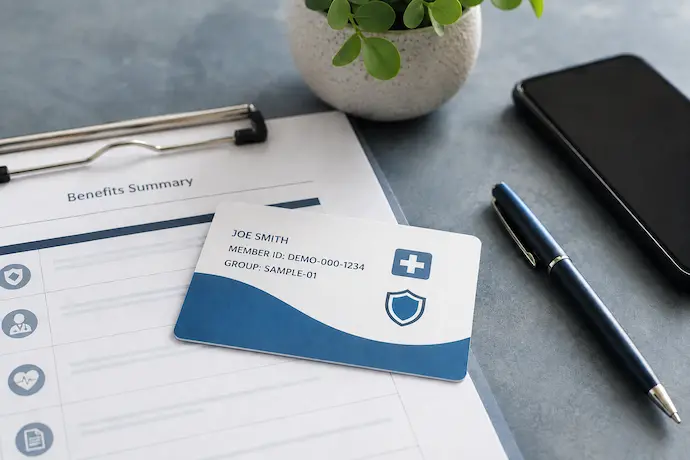
Insurance benefits may help cover eligible addiction-treatment services. Coverage must be verified for each individual policy.
Does Insurance Cover Medical Detox?
Coverage depends on your insurance plan, the facility, and the level of care. Ask your insurer and the facility to verify benefits for the specific program before admission.
- Is the facility in network for my exact plan?
- Does the plan cover inpatient detox, outpatient withdrawal management, or both?
- Is prior authorization required, and who submits it?
- What will I owe for the stay, medical visits, medications, and lab work?
Read more about insurance coverage for drug and alcohol detox and finding a drug rehab that accepts insurance.
How to Find a Detox Center and Get Started
Ask the facility whether it treats withdrawal from the substances involved, when it can do an intake, and what support it provides after discharge. If you’re considering a program away from home, ask about travel, coverage, and how follow-up care will work when you return.
Before leaving detox, ask for a follow-up plan. Depending on the clinician’s recommendation, next steps may include inpatient rehab, an outpatient treatment program, or ongoing medication and follow-up visits.
Detox Centers by State
Choose your state to explore detox options. Confirm with the facility that it treats withdrawal from the substances involved and offers the level of medical supervision you need.
Sources and Author
- SAMHSA — Detoxification and Substance Abuse Treatment (TIP 45 PDF)
- Detoxification and Substance Abuse Treatment (NCBI Bookshelf)
- Definitions in Detoxification (NCBI Bookshelf)
- ASAM — Alcohol Withdrawal Management
- Joint Clinical Practice Guideline on Benzodiazepine Tapering (PDF)
- CDC — Treating Opioid Use Disorder
Written by Erik Epp