
A Family Guide to Recovery at Home
When we have to send a loved one to rehab for drug or alcohol addiction, it can leave the family carrying guilt, grief, anger, and even resentment. These are natural defenses of past experiences that have been a direct result of the addiction. When a person enters rehab, they are getting help for their addiction, and the family is left without a road map to help them with their own past trauma. This is why they say that “addiction is a family disease”.When looking to find treatment for a loved one, it is important to take yourself into account as well. The problem lies with the fact that your loved one is going for help and counseling, while you feel that you are bearing the brunt of the consequences for their actions and habits that led to the need for treatment of a substance use disorder. These feelings are justified and can lead to the family feeling slighted and angry about all the things that you are left to deal with while the person in treatment is healing from their own trauma. There are proactive things that can be done to help the family heal as well.
Healing a family is not automatic; it takes intentional work, just like recovery itself. Below, we have laid out a practical breakdown of steps to help start the healing process.
In this article, we will cover:
How families can heal from trauma
Addressing co-dependency
How to set up your home to accommodate a freshly out of rehab family member
Where to turn for help
How to avoid triggers that may lead to relapse
How to recognize dangerous behaviors before they lead to relapse
What to do if your loved one relapses

How families can heal from the trauma a loved one caused with their addiction.
Families need to acknowledge emotional trauma and not minimize it. Skipping this step backfires, so it is very important not only to acknowledge it but also to take steps to correct it. The common emotions include Guilt (did I cause this?), Shame (what will people think?), Anger (why did they do this to us?) Fear (what if they relapse?). These are all normal reactions. When we send someone to treatment, it can feel like an act of love and a betrayal at the same time. You didn’t just send someone away; you went through trauma, also.Separate your love for them from responsibility
One of the greatest breakthroughs for families is understanding that you can love someone deeply without being responsible for their addiction or recovery. This aligns with programs like Alcoholics Anonymous, which teaches that you can’t control it and that you can’t cure it. Letting go of control reduces anxiety and prevents burnout.How to set up your home for someone returning from rehab
Remove all substances and triggers, including alcohol/cooking alcohol, old prescriptions, or any drug paraphernalia. Remove triggers also include bar set ups, party decor or environments, and media that glamorizes heavy use (very important in early recovery).Lock down all necessary medications by using a lockbox that one responsible person dispenses, and track dosages if any medications are prescribed.
Create a structured environment for them by having wake-up times and sleep times consistent, scheduled meals, meetings, and or outpatient therapy regularly scheduled. All these things will help them get a routine while helping them structure their time to be productive and proactive in their recovery.
Establish clear and consistent house rules (before they return)
We will give a few examples of generic house rules but the actual rules you set are and should be set by your concerns past experiences, so adjust your own rules as needed to make you feel comfortable to have your loved one return from rehab.
No drugs or alcohol in the home
Mandatory participation in recovery meetings and or therapy sessions
Curfew if applicable
Financial transparency if money has been an issue
You need to set some boundaries (not just rules). Rules are about the house, but the boundaries are about your response to breaking the rules. For example, if the rule is not to bring drugs or alcohol into the home, the boundary would be that if you use, you cannot stay here. So, using this example, you can set your own rules and boundaries.
Control social interactions
When someone is in early recovery, exposure to situations or environments that can be triggers should be curtailed. Being in early recovery is as hard as going to rehab, but there are a few things you, as the family, can do to minimize the risks. Limiting visitors who use substances, no parties in the home, and encouraging connections with sober people can help make the transition a bit easier. Boredom can be one of the biggest triggers for some, so keep it interesting, help them find things they like to do for fun, and encourage them.
A recovery-ready home is
Predictable with a consistent routine
A controlled environment with no access to substances
Accountable (clear boundaries)
Supportive but not enabling

Rebuilding Trust Slowly
Trust is usually damaged, and sometimes it is repeatedly damaged and should be rebuilt slowly. Healthy rebuilding looks like setting clear boundaries (not punishments), letting actions, not promises, prove change, and accepting that trust comes back in layers (through positive actions, reparations, following through with tasks and responsibilities).Instead of a blanket, “I trust you again” approach we recommend that you trust what you consistently see over time and build on that. The main goal of trust rebuilding is to set the guardrails and, when you see positive outcomes, give them more room. This will help them avoid feeling overwhelmed in early recovery while allowing for your own peace of mind throughout this process.
Where to find support outside of the family
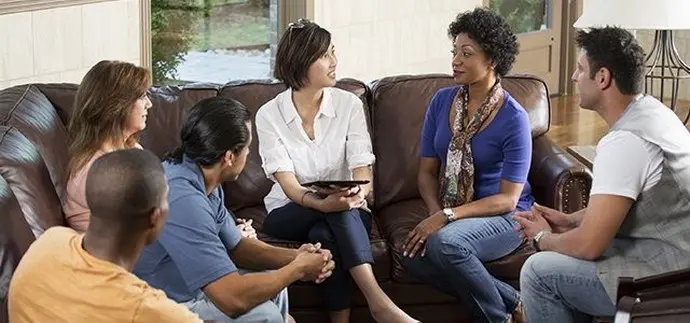
Healing isolation can be one of the biggest mistakes you can make. Seeking help for the family can give them an understanding of how addiction can become a family disease. It is important to utilize resources like Nar-Anon, Parents of Addicted Loved Ones (PAL), and Al-Anon/Alateen to find support for yourself through community meetings and get-togethers. You will meet other families that have been affected by addiction and have groups to share with and learn from. Recovery groups for families can not only help you avoid pitfalls but also help you learn how to recognize triggers that can lead to your loved one relapsing.Seeking external support will give you a new perspective, language that supports what you are feeling, and tools that you would not naturally develop on your own.
There also some great online resources where you can learn all about family and recovery, Samhsa has a section that covers this quite extensively samhsa.gov/mental-health/children-and-families/coping-resources.

Addressing codependency patterns
Many families unknowingly adapt unhealthy ways to adapt, which can include over-controlling, enabling bad behaviors, walking on eggshells, and even losing one’s own identity to accommodate a loved one’s proclivities. Understanding co-dependency is critical to breaking the cycle. Healing means the whole system needs to change, not just the person in rehab.Creating New Family Norms
After the individual comes back from rehab, the normal old system that was in place cannot come back; it is the part that didn’t work. You and the family need to build a new system and create a healthier structure that is founded on honest communication (even when it is uncomfortable, set clear expectations and boundaries, and require regular check-ins (not interrogations). Think of this time as rebuilding – not restoring.Accepting that relapse may be part of the recovery process
When our loved ones relapse, we often blame ourselves for not being there, or trusting them too much, or a myriad of other things that can go through our heads. This is not the case; the individual made a choice, and that choice is theirs alone. We need to remember that a relapse does not erase all the progress you or they have made. When a family is healing from addiction, they respond differently, suffer less chaos, and maintain stability regardless of their choices. That is real strength.If relapse happens, *STAY CALM* and assess the situation. You need to determine if they are safe and determine if there is an overdose risk, if they need medical attention, or if they are a danger to themselves or others. Stabilize first, react later. Do not react emotionally, and avoid yelling, lecturing, guilt-tripping, or threatening anything you are not ready to enforce immediately. Instead, stay calm, direct, and factual. “This isn’t ok, we are very concerned, we need to address this, so it doesn’t happen again.
Reinforce boundaries immediately if your boundary was no substance abuse in the house; it must be enforced. Love without boundaries = enabling, and boundaries without follow-through =meaningless. There must be a shift from punishment to consequences and solutions. If they relapse, they can’t stay in the home, but they can be offered help to get back into treatment. This will offer them a path forward without cutting them off completely.

Practice forgiveness without forgetting your boundaries
Forgiveness is often misunderstood, forgiving someone does not erase the damage done, it is just an acceptance of the damage with an understanding that the act that created the damage was a mistake not to be repeated. It does not mean that we trust too quickly, ignore past harm, or remove consequences. It does mean that we let go of constant resentment and will choose peace over control
Take care of yourself (This is non-Negotiable)
When a family member is in rehab or just recently released, families can pour all their energy into that person and neglect themselves. This can have some serious consequences, as you cannot stabilize someone else if you are emotionally depleted. Your healing can have a direct impact on their healing. Make sure that you have sleep, nutrition, and a regular routine. When you are feeling drained, take some time away from the situation and get a restart. If you need some help, there is always the option of seeking professional counseling or attending some Al-Anon or Nar-Anon meetings.In conclusion
When we send someone to rehab it is not just their turning point in the addiction but ours as well. Families heal faster when they stop carrying what is not theirs to carry, start addressing their own wounds and learn new ways to love without losing themselves in the process.https://www.samhsa.gov/find-help/helplines/national-helpline
Free My AddictionSummary
Service Type
How to Help a Loved One After Rehab: A Family Guide to Recovery at Home
Area
Nationwide
DescriptionHelping a loved one after rehab can feel overwhelming. Learn how to rebuild trust, set boundaries, avoid relapse triggers, and create a recovery-ready home that supports long-term sobriety.