If you or someone you love is struggling with drug or alcohol addiction, our confidential helpline can help you understand possible treatment options in Florida. Addiction No More assists individuals and families searching for medical detox, inpatient rehabilitation, dual-diagnosis treatment, and outpatient programs.
We can also check whether private health insurance may cover addiction treatment. Coverage depends on the individual policy, deductible, provider network, clinical recommendations, and treatment provider. Private-pay options may also be available.
FIND TREATMENT IN YOUR CITY HERE
Looking for treatment with private insurance or self-pay?
Call to discuss the type of care being considered, location preferences, insurance benefits, and possible admission requirements. Calling does not obligate you to enter treatment.
Check Your Insurance Coverage for Addiction Treatment
Many private health insurance policies include benefits for substance use disorder and mental health treatment. However, having insurance does not mean that every facility, service, or length of stay will be covered.
A confidential insurance benefits check may help determine:
- Whether addiction treatment is included in the policy
- Which levels of care may be covered
- Whether prior authorization is required
- The remaining deductible
- Possible copayments or coinsurance
- Whether a program is in-network or out-of-network
- Whether detoxification and mental health services are included
- The estimated out-of-pocket responsibility
Treatment providers in our referral network may work with insurance companies such as Blue Cross Blue Shield, Aetna, Cigna, UnitedHealthcare, and others. Coverage and admission are not guaranteed and must be verified for each individual.
Have your insurance card available when you call. Medicaid and Medicare options through our referral network may be limited, but Florida public-treatment resources are provided near the bottom of this page.
Call 1-800-513-5423 to request a confidential benefits check.
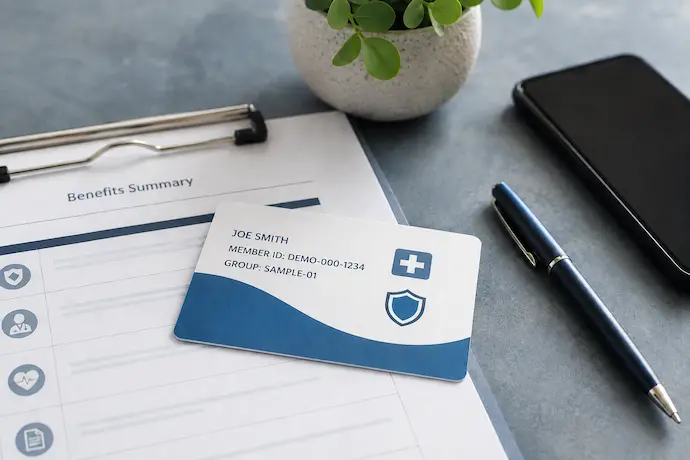
Insurance benefits may help cover eligible addiction-treatment services. Coverage must be verified for each individual policy.
How Addiction No More Can Help
Searching for addiction treatment can become overwhelming, particularly when someone is experiencing withdrawal, repeated relapse, worsening mental health symptoms, or an urgent family crisis.
Our helpline can help you:
- Understand common levels of addiction treatment
- Explore Florida and out-of-state programs
- Check private insurance benefits
- Ask about private-pay treatment options
- Locate programs offering dual-diagnosis care
- Discuss current availability and admission requirements
- Ask whether transportation assistance may be available
- Prepare questions to ask before selecting a treatment provider
Calling does not obligate you to enter a particular facility. Addiction No More is a treatment referral service and is not a treatment facility.

Addiction Treatment Options in Florida
The appropriate level of care depends on the substances involved, withdrawal risks, physical and mental health concerns, previous treatment attempts, home environment, and other individual circumstances. A qualified healthcare or treatment professional should determine the appropriate level of care.
Medical Detox
Medical detoxification provides monitoring and support while alcohol or drugs leave the body. Detox may be recommended when withdrawal could be dangerous, severe, or difficult to manage without professional assistance.
Depending on the person’s condition, services may include medical evaluation, withdrawal monitoring, medication when clinically appropriate, mental health assessment, and planning for continued treatment. Detox is generally the beginning of treatment rather than a complete addiction-recovery program.
Anyone experiencing an overdose, seizure, severe withdrawal, loss of consciousness, breathing difficulty, or another medical emergency should call 911 or go to the nearest emergency department.
Inpatient Drug and Alcohol Rehabilitation
Inpatient rehabilitation provides a structured environment in which clients live at the treatment facility while participating in therapy and recovery services. Depending on the program, services may include individual counseling, group therapy, addiction education, relapse-prevention planning, family involvement, psychiatric services, and continuing-care planning.
Programs may offer different lengths of stay, including approximately 30, 60, or 90 days. The appropriate duration depends on clinical needs, progress, insurance authorization, and the recommendations of the treatment provider.
Dual-Diagnosis Treatment
Substance use can occur alongside anxiety, depression, trauma, post-traumatic stress, bipolar disorder, and other mental health conditions. Dual-diagnosis treatment addresses addiction and co-occurring mental health symptoms as part of the same treatment plan.
When comparing programs, ask whether psychiatric services are available, how medications are managed, and whether the staff has experience with the person’s diagnosis or symptoms.
Partial Hospitalization and Intensive Outpatient Programs
Not everyone requires inpatient treatment. Partial hospitalization and intensive outpatient programs provide structured services while allowing participants to live at home or in supportive housing. These programs may also serve as a step down after detoxification or inpatient care.
Private and Self-Pay Rehab Options
Private treatment may be appropriate for individuals and families seeking faster admission, additional privacy, specialized clinical services, flexible location choices, or a program that is not fully covered by insurance.
The cost of private treatment varies based on:
- Level of care
- Length of treatment
- Medical and psychiatric services
- Location
- Private or shared accommodations
- Specialized programming and amenities
- Transportation requirements
- Insurance reimbursement
Some individuals use private insurance to pay for part of treatment and pay the remaining balance themselves. Others choose a completely self-pay arrangement.
Before admission, request a clear explanation of insurance coverage, the deductible, estimated patient responsibility, separately billed services, and any additional costs for medication, testing, or transportation.
Choosing a Florida Rehab Program
A treatment center should be selected according to the individual’s needs—not solely because it is nearby or appears first in a search.
Before selecting a program, consider asking:
- Is the facility properly licensed?
- Does it provide the recommended level of care?
- Is medical detox available or coordinated separately?
- Can it treat co-occurring mental health conditions?
- What credentials do members of the clinical staff hold?
- How is the treatment plan individualized?
- Are family and continuing-care services available?
- Does the facility participate with the person’s insurance?
- What costs could remain after insurance?
- Are transportation arrangements available?
No single Florida treatment program is appropriate for everyone. An assessment and insurance benefits check can help narrow the choices.

Confidential assistance is available for Florida residents seeking local or out-of-area addiction treatment.
Local or Out-of-Area Treatment
Florida has treatment programs in large metropolitan areas, smaller coastal communities, and more secluded locations. Some people prefer remaining close to home, while others consider treatment in a different city or state.
Staying close to home may make it easier to involve family members, arrange transportation, coordinate continuing care, and return to established medical providers. Traveling may offer additional privacy, greater separation from familiar triggers, access to specialized services, or a program that works better with the person’s insurance.
Traveling is not automatically better. The decision should consider medical safety, family responsibilities, insurance benefits, program quality, and the individual’s willingness to participate.
Specialized Treatment Preferences
In addition to the appropriate clinical level of care, some people have personal preferences that influence the treatment environment they choose.
Faith-Based Treatment
Christian and other faith-based programs may incorporate religious services, pastoral counseling, scripture study, or spiritually focused recovery activities. Ask how much of the program is religious and which clinical services are included.
Secular Treatment
Secular programs do not require participation in religious activities or belief in a higher power. These programs may appeal to people who prefer a nonreligious recovery environment.
Holistic Services
Some facilities supplement clinical treatment with yoga, meditation, fitness, nutritional support, massage, art, music, or mindfulness. These holistic services should complement appropriate addiction and mental health care rather than replace it.
FIND ➡️ HOLISTIC DRUG REHABS NEAR ME
Executive and Luxury Programs
Executive or higher-end programs may offer additional privacy, private accommodations, flexible communication policies, work-related access, or expanded amenities. Services and accommodations should be confirmed directly with the facility.
FIND ➡️ LUXURY DRUG REHABS NEAR ME
Treatment for Veterans
Veterans may have access to care through the Department of Veterans Affairs, community providers, TRICARE, private insurance, or self-pay programs. Eligibility, authorization, and coverage must be confirmed with the appropriate payer and treatment provider.
Florida Addiction Treatment by City and Region
Treatment options may be available throughout Florida, but an appropriate program does not need to be located in the same city where the person lives.
South Florida: Explore treatment information for Miami, Fort Lauderdale, Hollywood, Boca Raton, Delray Beach, Pompano Beach, West Palm Beach, Lantana, Boynton Beach, and surrounding communities.
Central Florida: Explore options serving Orlando, Altamonte Springs, Apopka, Kissimmee, Winter Park, Lakeland, Tampa, Clearwater, St. Petersburg, and nearby communities.
Northeast Florida: Explore information for Jacksonville, Atlantic Beach, Jacksonville Beach, St. Augustine, Gainesville, Alachua, and surrounding areas.
Southwest Florida: Explore options serving Sarasota, Bradenton, Fort Myers, Cape Coral, Naples, Arcadia, Punta Gorda, and nearby communities.
Florida Panhandle: Explore treatment information for Tallahassee, Apalachicola, Panama City, Pensacola, Fort Walton Beach, Destin, and surrounding rural communities.
View the complete Florida city directory.
How to Begin the Admission Process
You do not need to understand every treatment level or insurance requirement before calling. The process generally begins with a confidential conversation.
- Call 1-800-513-5423.
- Explain whether you are seeking help for yourself or someone else.
- Discuss the substances involved and the person’s current circumstances.
- Mention relevant medical or mental health concerns.
- Provide private insurance information or ask about self-pay possibilities.
- Review programs that may be appropriate and available.
- Complete an assessment directly with the selected treatment provider.
- Confirm insurance coverage, costs, services, and admission arrangements.
- Coordinate transportation when necessary.
Admission requirements vary by facility. Same-day or next-day admission may sometimes be possible, but availability and acceptance cannot be guaranteed.
When Is It Time to Consider Inpatient Treatment?
Professional treatment may be appropriate when alcohol or drug use is causing health problems, family conflict, employment difficulties, legal consequences, financial problems, or an inability to stop despite repeated attempts.
Inpatient care may be considered when:
- Withdrawal could require medical supervision
- Substance use continues despite serious consequences
- Previous outpatient treatment has not been sufficient
- The home environment is unsafe or unstable
- Significant mental health symptoms occur alongside addiction
- The person has experienced repeated relapse
- Around-the-clock structure and support may be beneficial
Only a qualified healthcare or treatment professional can determine whether inpatient care is appropriate. For an immediate overdose or medical emergency, call 911. For an immediate mental health or suicide crisis, call or text 988.
Frequently Asked Questions About Addiction Treatment in Florida
How much does drug or alcohol rehab cost in Florida?
Costs vary according to the level of care, length of treatment, location, medical services, accommodations, and insurance coverage. Self-pay prices should be confirmed directly with the facility.
Does private insurance cover addiction treatment?
Many private health insurance policies provide benefits for substance use disorder and mental health treatment. Coverage varies and may be affected by deductibles, provider networks, prior authorization, medical necessity, and the recommended level of care.
Can someone enter a Florida rehab immediately?
Same-day or next-day admission may sometimes be available, but it cannot be guaranteed. Admission depends on clinical acceptance, insurance authorization, current availability, and the facility’s requirements.
Is detox included with inpatient treatment?
Some programs provide detox and inpatient rehabilitation at the same location. Others require detoxification at a separate medical facility before rehabilitation.
How long does inpatient rehab last?
Programs may offer stays of approximately 30, 60, or 90 days, but treatment length varies according to clinical needs, progress, insurance authorization, and the treatment plan.
Can a family member call for someone else?
Yes. A concerned family member may call to ask about options. The person entering treatment will generally need to participate in the assessment and consent to admission.
Can a Florida resident attend treatment in another state?
Yes. Some people consider out-of-state treatment because of insurance compatibility, privacy, specialized services, program availability, or distance from familiar triggers.
Does Addiction No More operate rehab facilities?
No. Addiction No More is a helpline and treatment referral service. We do not operate a treatment facility in Florida. Program services, availability, clinical acceptance, insurance participation, and costs must be confirmed with the individual provider.
Florida Addiction Treatment Resources
The Florida Department of Children and Families oversees the state’s substance use and mental health service system. Florida substance use disorder treatment providers are regulated through the Department’s Office of Licensing.
Additional resources include:
- Florida Substance Abuse and Mental Health Services
- Florida Substance Use Disorder Licensing and Regulation
- SAMHSA’s FindTreatment.gov treatment directory
- 988 Suicide & Crisis Lifeline — call or text 988 for an immediate mental health or suicide crisis
- Call 911 for an overdose or another immediate medical emergency
Speak With Someone About Treatment Options
You do not have to select a treatment center without understanding what it provides, whether it may be appropriate, or what it could cost.
Call Addiction No More for confidential assistance with:
- Medical detox and inpatient-treatment options
- Private insurance benefits checks
- Self-pay programs
- Dual-diagnosis care
- Florida and out-of-state treatment
- Admission and transportation questions
Residents who do not have private insurance or the ability to pay can review information about state-funded and lower-cost addiction treatment in Florida.
Call 1-800-513-5423.
Call anytime. If a representative is unavailable, leave a confidential message. Calling does not obligate you to enter a particular program.
Confidential Help Exploring Addiction Treatment
Calling does not obligate you to enter treatment.
Florida residents: Calls generated through this website may be answered by Best Treatment Center LLC. Please review our Florida Disclosure for additional information about represented treatment providers and Florida treatment resources.
Written by Erik Epp
Erik Epp is a founder of Addiction No More and has more than 20 years of experience helping individuals and families navigate addiction-treatment options. Read Erik Epp’s full bio.
Last updated: August 2026