
Finding Addiction Treatment in Alabama
If drug or alcohol use is affecting you or someone close to you, confidential help is available. Addiction No More helps individuals and families explore detoxification, inpatient rehabilitation, dual-diagnosis treatment, outpatient care, and other addiction-treatment options serving Alabama residents.
We can also review private health insurance benefits and explain how deductibles, provider networks, clinical requirements, and other policy provisions may affect coverage. Treatment does not always need to be located in the same Alabama city or county where you live. Depending on your needs, insurance, program availability, and preferences, an appropriate facility may be located elsewhere in Alabama or outside the state.
Looking for treatment with private insurance or self-pay?
Call to discuss the type of care being considered, location preferences, insurance benefits, and possible admission requirements. Calling does not obligate you to enter treatment.
Private Insurance and Addiction-Treatment Costs
Private Health Insurance may cover some addiction-treatment services, but coverage is never automatic or identical across policies. Benefits can depend on the insurance carrier, plan type, deductible, coinsurance, provider network, medical-necessity requirements, prior authorization, and the level of care recommended after an assessment.
Before choosing a program, ask the facility to explain which services are covered, whether it is in-network, what authorizations are required, and what costs may remain your responsibility. A benefits review is not a guarantee of payment. The insurance company and treatment provider make final coverage and admission decisions.
Private Insurance and Self-Pay Options
If you have private insurance, we can help review the available benefit information and discuss programs that may participate with your plan. If you intend to pay privately, ask for the complete expected cost, what is included, the refund or cancellation policy, and whether additional medical or psychiatric services are billed separately.
Have your insurance card available when you call: 1-800-513-5423.
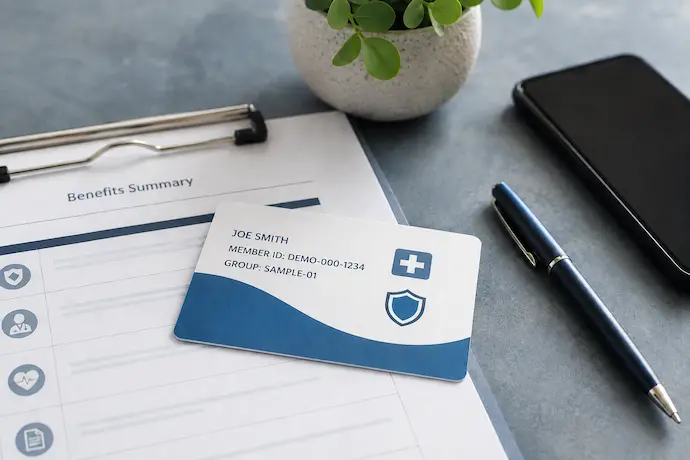
Insurance benefits may help cover eligible addiction-treatment services. Coverage must be verified for each individual policy.
Addiction-Treatment Options in Alabama
The appropriate level of care depends on the substances involved, withdrawal risk, physical and mental health, previous treatment history, living environment, and ability to remain safe outside a structured setting. A qualified clinician should determine the recommended level of care.
Withdrawal Management and Medical Detoxification
Detox Centers provide monitoring and support while drugs or alcohol leave the body. Alcohol and benzodiazepine withdrawal can become medically dangerous, and opioid withdrawal may require medication and clinical supervision. Do not attempt to manage potentially serious withdrawal based only on information found online. Seek an assessment from a medical professional or qualified treatment provider.
Inpatient and Residential Rehabilitation
Inpatient and residential programs provide a structured living environment away from everyday access to substances. Services vary by facility but may include individual counseling, group therapy, medical or psychiatric care, medication management, family education, relapse-prevention planning, and continuing-care arrangements.
Partial Hospitalization and Intensive Outpatient Care
Partial hospitalization programs and intensive outpatient programs offer scheduled treatment while allowing participants to live outside the facility. These levels of care may be considered when round-the-clock residential support is not required, or as a step-down after inpatient treatment.
Medication for Substance Use Disorders
Some programs offer medications as part of treatment for opioid or alcohol use disorders. Medication decisions should be made by a qualified medical professional and, when clinically indicated, combined with appropriate counseling, monitoring, and recovery support.

When to Consider Inpatient Rehabilitation
Inpatient treatment may be worth discussing when substance use has become difficult to interrupt without a controlled setting or when outpatient care has not provided enough support. An assessment may also recommend inpatient care when there are co-occurring mental health concerns, an unstable or substance-filled home environment, repeated relapse, serious medical needs, or a need for close structure during early recovery.
The length of treatment should be based on clinical needs rather than a promised universal timetable. Before admission, ask how the program evaluates progress, involves family when appropriate, handles medications, and prepares clients for continued care after discharge.
Dual-Diagnosis and Mental Health Treatment
Substance use can occur alongside depression, anxiety, trauma, bipolar disorder, or other mental health conditions. Dual Diagnosis treatment is intended to address substance use and mental health needs together instead of treating one while ignoring the other.
Ask whether the program has licensed mental health professionals, psychiatric services, medication management, and experience with the specific symptoms or diagnosis involved. A facility advertising dual-diagnosis care should be able to explain exactly which services are available on site and which are provided through outside partners.
How to Choose an Alabama Treatment Program
A professional-looking website does not establish that a program is appropriate, properly certified, or covered by insurance. Before selecting a facility, consider asking:
- Is the provider certified or otherwise authorized to offer the advertised services?
- Which levels of care are provided at this location?
- Is medical withdrawal management available on site?
- Are physicians, nurses, therapists, and psychiatric professionals part of the treatment team?
- How are co-occurring mental health conditions addressed?
- Which evidence-based therapies are used?
- Does the program accept your insurance plan, and is it in network?
- What costs may remain after insurance?
- What are the rules regarding phones, visitors, medications, smoking, and personal belongings?
- How does the facility plan for continuing care after discharge?
The Alabama Department of Mental Health maintains information about certified community providers. Families can also use SAMHSA's FindTreatment.gov directory and should confirm all licensing, certification, services, and payment arrangements directly with the provider.

Local Alabama Care or Treatment Away From Home
Alabama includes major population centers as well as many rural communities where specialized care may be limited. The Alabama Department of Mental Health reports that one or more adult substance-use services are offered in 59 of the state's 67 counties, but the exact level of care available varies by area and provider.
Local treatment may make family participation, follow-up appointments, and transportation easier. Out-of-area treatment may offer a particular clinical specialty, a participating insurance provider, more immediate availability, or greater separation from an environment connected to ongoing substance use.
Distance alone does not make a program better. The decision should consider clinical appropriateness, safety, insurance participation, cost, family responsibilities, transportation, and the continuing-care plan after discharge.
What Happens During the Admission Process?
- Initial conversation: Discuss the substances involved, current concerns, preferred location, and the type of help being considered.
- Clinical screening: The treatment provider evaluates withdrawal risk, physical and mental health, and the appropriate level of care.
- Insurance review: If insurance will be used, benefits and network participation are reviewed. Coverage remains subject to the policy and insurer's determination.
- Program confirmation: Confirm services, availability, expected costs, rules, and admission requirements directly with the facility.
- Travel and arrival: The provider explains what to bring, when to arrive, medication procedures, and whether transportation assistance is available.
If someone may be experiencing an overdose, severe withdrawal, suicidal thoughts, or another immediate medical emergency, call 911. For a suicide, mental health, or substance-use crisis, call or text 988.
Frequently Asked Questions
Does private insurance cover addiction treatment in Alabama?
Many private plans include benefits for substance-use treatment, but the covered services and out-of-pocket costs depend on the individual policy. Network participation, deductible, authorization, medical necessity, and level of care can all affect coverage.
Can a family member call for someone else?
Yes. A spouse, parent, adult child, sibling, or other concerned person may call to ask general questions and discuss possible next steps. The person entering treatment will still need to participate in the provider's assessment and consent process.
Do I have to attend treatment in my own city?
No. An appropriate program may be located elsewhere in Alabama or in another state. Consider clinical needs, insurance, availability, privacy, transportation, family involvement, and continuing care when comparing locations.
What should I have ready when I call?
If available, have the person's age, substances being used, current safety concerns, treatment history, preferred location, and insurance card. Do not delay emergency care while gathering information.
Does calling require me to enter treatment?
No. Calling to ask questions or review possible options does not obligate you to enroll in a program.
What if I do not have private insurance?
The Alabama Department of Mental Health provider directory and SAMHSA's FindTreatment.gov can help identify community, publicly funded, and other treatment resources. Ask each provider about eligibility, waiting lists, fees, and funding availability.
Can I call outside regular business hours?
You may call at any time. If a representative is unavailable, leave a message, and someone can return your call.
Alabama Addiction-Treatment Resources
The Alabama Department of Mental Health coordinates substance-use services through certified community providers. Alabama services include withdrawal management, residential treatment, intensive outpatient treatment, outpatient treatment, medication-based treatment, and programs for co-occurring mental health and substance-use disorders. Availability varies by provider and county.
- Alabama Department of Mental Health Substance Use Services
- Alabama Department of Mental Health Provider Directory
- Alabama Provider Certification Information
- SAMHSA FindTreatment.gov
- 988 Suicide & Crisis Lifeline Information
Emergency: Call 911 for an overdose or immediate medical emergency. Call or text 988 for immediate support during a suicide, mental health, or substance-use crisis.
Speak With Someone About Treatment Options
If you are exploring addiction treatment and have private insurance or are considering self-pay, call Addiction No More. We can discuss the type of care you are seeking, review your available insurance information, and help you explore local or out-of-area options before you select a provider.
Confidential Help Exploring Addiction Treatment
Calling does not obligate you to enter treatment.
Important disclosure: Addiction No More is an information and referral service, not a treatment facility, medical provider, emergency service, or insurer. We do not diagnose conditions or determine the appropriate level of care. Program availability, certification, services, admission, insurance participation, coverage, and costs must be confirmed directly with the treatment provider and insurance company.
Written by Erik Epp
Erik Epp is a co-founder of Addiction No More and has more than 20 years of experience helping individuals and families navigate addiction-treatment options. Read Erik Epp’s full bio.
Last updated: August 2026