• +1-800-513-5423
  • HOME
  • LOCATE BY STATE
    • ALABAMA
    • CALIFORNIA
    • FLORIDA
    • GEORGIA
    • MICHIGAN
    • NORTH CAROLINA
    • TEXAS
    • VIEW ALL 50 STATES
  • PROGRAM TYPES
    • PROGRAMS
      • Detox Centers
      • Dual Diagnosis
      • Interventions
      • Inpatient
      • Outpatient
      • Private Programs
    • AFFORDABLE
      • Court Ordered
      • State Funded
    • SPECIALIZED
      • Holistic Healing
      • Christian Faith Based
      • Couples Rehabs
      • For Women
      • LGBTQIA
      • Luxury Programs
      • Secular/Non religious
      • Veterans Services
    • THERAPYS
      • CBT
      • DBT
      • PTSD Therapy
    • OPTIONS
      • Treatment Options
      • Acupuncture
      • Massage Therapy
      • Pet Therapy
      • Recovery Coaches
  • INSURANCE
    • Private Insurance
  • RESOURCES
    • Q&A
    • Free Addiction Program
    • How to Tell Your Parents
    • Relapse
    • Signs of Addiction
    • What is Recovery?
  • ABOUT US
    • About Us
    • Contact Us
    • Who Answers When I Call?

Alcohol and Drug Addiction Blogs

29
Oct
2023

Talking With Your Teen About Drugs and Alcohol

Addiction No More ® No Comments
drug addicted teens, rehab for my son, rehab for young adults, rehabs for my daughter, teeanger rehab centers, teen drug addiction, teen drug rehab
Addiction No More is a drug rehab referral service. We can help you find treatment anywhere in the USA 1-800-513-5423

Talking With Teenagers About Drugs and Alcohol


Teen Drug Addiction is becoming more and more prevalent with the legalization of Marijuana. The amount of teens needing help with addiction has risen dramatically since 2016. 

Young adult drug and alcohol rehab can save the life of a teen who is in need of treatment. These types of treatment programs for teens are separate from adult facilities. 

The issue of drugs can be very confusing to young children. If drugs are so dangerous, then why is the family medicine cabinet full of them? Why do TV, movies, music, and advertising often make drug and alcohol use look so cool? It is never too soon to begin helping our kids distinguish fact from fiction between what they see on TV and what happens in the real world. National studies show that the average age when a child first tries alcohol is 11, for marijuana, it’s 12. Many kids start becoming curious about these substances even sooner. So let’s get started!
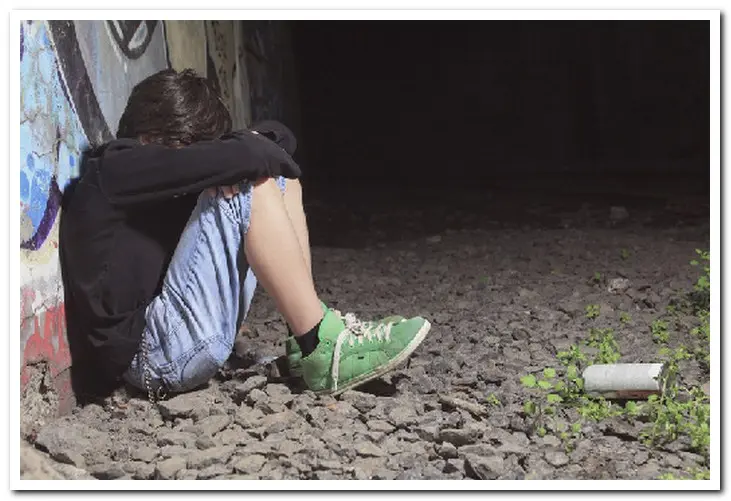
Teenagers are more likely to "huff" or try to get high from inhaling chemicals.

Teenagers are more likely to “huff” or try to get high from inhaling chemicals.

Listen to your Kids

Student surveys reveal that when parents listen to their children’s feelings and concerns about drugs or alcohol, their kids feel comfortable talking with them and are more likely to stay drug-free.

Talk to your kids and Role Play Situations

Role play way in which your child can refuse to go along with his friends without becoming a social outcast. Try something like this, “Let’s play a game. Suppose you and your friends are at Andy’s house after school and they find some beer in the refrigerator and ask you to join them in drinking it. The rule in our family is that children are not allowed to drink alcohol. So what could you say?”

If your child comes up with a good response, praise him. If he doesn’t, offer a few suggestions like, “No, thanks. Let’s play the PS3 instead,” or “No thanks. I don’t drink beer. I need to keep in shape for basketball.”

Making the Right Decisions

Allow your child plenty of opportunities to become a confident decision-maker. An 8-year-old is capable of deciding if they want to invite lots of friends to their birthday party or just a close pal or two. A 12-year-old can choose whether they want to try out for football or join the school band. As your child becomes more skilled at making all kinds of good choices, both you and your child will feel more secure in their ability to make the right decision concerning alcohol and drugs if and when the time arrives.

Learn Age-Appropriate Information

Make sure the information that you offer fits the child’s age and stage. When your 6 or 7-year-old is brushing his teeth, you can say, “There are lots of things we do to keep our bodies healthy, like brushing our teeth. But there are also things we shouldn’t do because they hurt our bodies, like smoking or taking medicines when we are not sick.”

If you are watching TV with your 8-year-old and marijuana is mentioned on a program, you can say, “Do you know what marijuana is? It’s a bad drug that can hurt your body.” If your child has more questions, answer them. If not, let it go. Short, simple comments said and repeated often enough will get the message across.

You can offer your older child the same message but add more drug-specific information. For example, you might explain to your 12-year-old what marijuana and crack look like, their street names, and how they can affect his body.

State Your Family’s position on the use of Drugs

It’s okay to say, “We don’t allow any drug use, and children in this family are not allowed to drink alcohol. The only time that you can take any drugs is when the doctor or Mom or Dad gives you medicine when you’re sick. We made this rule because we love you very much and we know that drugs can hurt your body and make you very sick; some may even kill you. Do you have any questions?”


Make a Good Example

Children will do, what you do, much more readily, than what you say. So try not to reach for a beer the minute you come home after a tough day; it sends the message that drinking is the best way to unwind. Offer dinner guests non-alcoholic drinks in addition to wine and spirits. And take care not to pop pills, even over-the-counter remedies, indiscriminately. Your behavior needs to reflect your beliefs.

Peer Pressure, Make the right friends

Since peer pressure is so important when it comes to kids’ involvement with drugs and alcohol, it makes good sense to talk with your children about what makes a good friend. To an 8-year-old you might say, “A good friend is someone who enjoys the same games and activities that you do and who is fun to be around.” 11 to 12-year-olds can understand that a friend is someone who shares their values and experiences, respects their decisions, and listens to their feelings. Once you’ve gotten these concepts across, your children will understand that “friends” who pressure them to drink or smoke pot aren’t friends at all. Additionally, encouraging skills like sharing, cooperation, and strong involvement in fun, healthful activities (such as team sports or scouting), will help your children make and maintain good friendships as they mature and increase the chance that they’ll remain drug-free.

Build up your Child,  Praise them

Kids who feel good about themselves are much less likely than other kids to turn to illegal substances to get high.

As parents, we can do many things to enhance our children’s self-image. Here are some pointers:

  • Offer lots of praise for any job well done.
  • If you need to criticize your child, talk about the action, not the person. If your son gets a math problem wrong, it’s better to say, “I think you added wrong. Let’s try again.”
  • Assign doable chores. A 6-year-old can bring her plate over to the sink after dinner; a 12-year-old can feed and walk the dog after school. Performing such duties and being praised for them helps your child feel good about himself.
  • Spend one-on-one time with your youngster. Setting aside at least 15 uninterrupted minutes per child per day to talk, play a game, or take a walk together, lets her know you care.
  • Say, “I love you.” Nothing will make your child feel better.Get your teen back. Enroll them into a teen drug rehab now.
If you suspect a problem, Seek Help

While kids under age 12 rarely develop a substance problem, it can and does happen. If your child becomes withdrawn, loses weight, starts doing poorly in school, turns extremely moody, has glassy eyes, or if the drugs in your medicine cabinet seem to be disappearing too quickly talk with your child. Get help before it is too late. Call Free My Addiction today if you need to find treatment for your son or daughter. We can help your teen recover today. 

Teen Drug and Alcohol Rehab Locator
5
Sep
2023

Alcohol Addiction Stats

Addiction No More ® No Comments
aa meetings, alcohol abuse, alcohol abuse recovery, alcohol abuse stats, alcohol addiction, alcohol addiction stats, alcoholism, alcoholism rehabilitation, rehab centers, sober solutions, sobriety
Addiction no More Header Banner

Alcohol Addiction Stats

Each year, a typical young person in the United States is inundated with more than 1,000 commercials for beer and wine coolers and several thousand fictional drinking incidents on television. Alcohol is involved in 50% of all driving fatalities.

In the United States, every 30 minutes someone is killed in an alcohol-related traffic accident.

Over 15 million Americans are dependent on alcohol. 500,000 are between the ages of 9 and 12.

Each year the liquor industry spends almost $2 billion dollars on advertising and encouraging the consumption of alcoholic beverages.

Americans spend over $90 billion dollars total on alcohol each year.

An average American may consume over 25 gallons of beer, 2 gallons of wine, and 1.5 gallons of distilled spirits each year.

Pregnant women who drink are feeding alcohol to their babies. Unfortunately, the underdeveloped liver of the baby can only burn alcohol at half the rate of its mother, so the alcohol stays in the baby’s system twice as long.

Each year students spend $5.5 billion on alcohol, more than they spend on soft drinks, tea, milk, juice, coffee, or books combined.

56% of students in grades 5 to 12 say that alcohol advertising encourages them to drink.

6.6% of employees in full-time jobs report heavy drinking, defined as drinking five or more drinks per occasion on five or more days in the past 30 days.

The highest percentage of heavy drinkers (12.2%) is found among unemployed adults between the age of 26 to 34

Up to 40% of all industrial fatalities and 47% of industrial injuries can be linked to alcohol consumption and alcoholism.

In 2000, almost 7 million persons aged 12 to 20 were binge drinkers; that is about one in five persons under the legal drinking age was a binge drinker.

The 2001 survey shows 25 million (one in ten) Americans surveyed reported driving under the influence of alcohol. This report is nearly three million more than the previous year. Among young adults aged 18 to 25 years, almost 23% drove under the influence of alcohol.

Drunk driving is proving to be even deadlier than what we previously know. The latest death statistics released by the National Highway Traffic Safety Administration (NHTSA), using a new method of calculation show that 17,488 people were killed in alcohol-related traffic accidents last year. This report shows that nearly 800 more people were killed than the previous year.

Alcohol is the number 1 drug problem in America.

43% of Americans have been exposed to alcoholism in their families.

Nearly one out of 4 Americans admitted to general hospitals have alcohol problems or are undiagnosed alcoholics being diagnosed with alcohol-related consequences.

Alcohol and alcohol-related problems is costing the American economy at least $100 million in health care and loss of productivity every year.

Four in ten criminal offenders report alcohol as a factor in violence.

Among spouse violence victims, three out of four incidents were reported to have involved alcohol use by the offender.

In 1996, local law enforcement agencies made an estimated 1,467,300 arrests nationwide for driving under the influence of alcohol.

Give us a call and we can help you find an alcohol treatment program and help you begin your recovery today.  

1-800-513-5423


31
Aug
2023

The Heroin Epidemic in Kentucky

Addiction No More ® No Comments
fentanyl rehab centers, free drug rehabs in kentucky, heroin addiction, heroin rehabs in kentucky, kentucky and heroin, kentucky drug rehabs
Addiction No More is a drug rehab referral service. We can help you find treatment anywhere in the USA 1-800-513-5423

The Heroin Epidemic in Kentucky

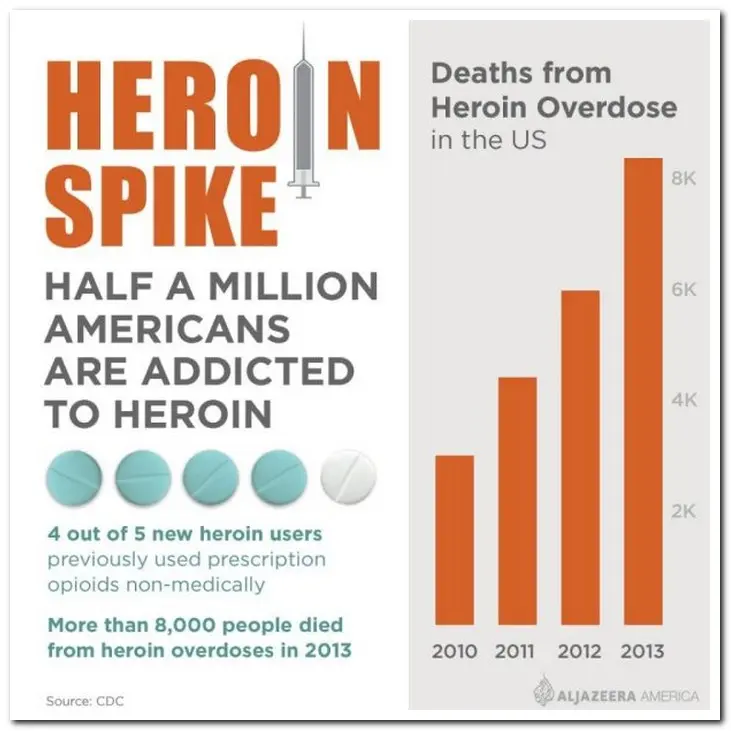
heroin spike and deaths from heroin overdose graph

Heroin is becoming increasingly dangerous over the past few years. It is hard to find a dose of heroin that has not been cut with Fentanyl. The problem is in the dosage and mixing practices of amateur drug dealers. Trying to stretch their supply and make more products at an increasingly cheaper price has led to the overdose rate skyrocketing throughout the state. 

Kentucky officials reeling after a recent overdose epidemic hit one county with 28 overdoses and 2 dead in 1 day.

One man was left dead after more than a dozen people overdosed on Heroin in Jennings County on August 23, 2016, leading officers to an arrest in the case. Police are warning people to spread the word on the streets that there is a shipment of heroin that has had 7 confirmed and 9 possible overdoses in a matter of a couple of hours. If you know of someone who might have been in contact with this heroin, please warn them that this is very strong and full of Fentanyl dosed in poorly mixed packages. 

Kentucky is facing an upward battle trying to overcome this heroin epidemic. The level of addiction is finding its way into the suburbs of the state due to the crackdown and availability of black-market prescription opioid medications. This has left a void in the drug trade that was quickly filled with a new more powerful Heroin coming in from Mexico. 

These recent spikes in heroin-related deaths come as no surprise after the discovery of Carfentanil in some batches of heroin in Ohio. The Heroin that has been seized recently is going through testing to determine if in fact there is a bigger problem that needs to be addressed. If in fact, Elephant tranquilizers are to blame, the next step will be to trace the source of the drug and disrupt its distribution.  
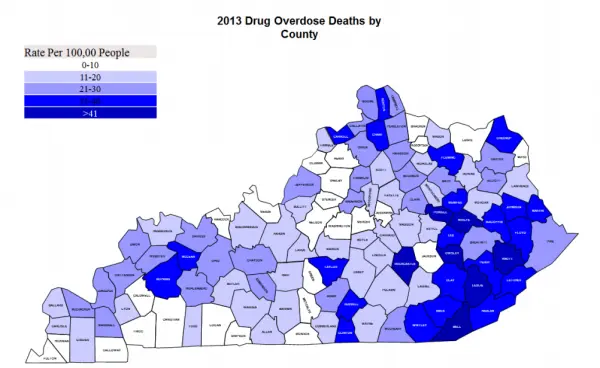
2013 drug overdose deaths by county in kentucky
Our hearts go out to the families that are going through addiction and we have a toll-free hotline set up to find the best affordable treatment program that can handle heroin detox and treatment. Do not let your loved one become part of the statistics get them help today. The Heroin supply has changed and there are real chances of you or a loved one overdosing.
We can help you or someone you love find the best Drug Rehab Center for heroin addiction today. Addiction No More ® is an Addiction Treatment Center locator service. For immediate service, please call one of our counselors 24/7.

1-800-513-5423

Sources
Heroin Use Disorder
Drug Addiction Treatment Act
Medication Therapy Management
Heroin Medicine Plus

Erik Epp – Content Author


5
Apr
2020

Covid 19 Emergency Drug and Alcohol Detoxification Warning

Addiction No More ® No Comments
Acute Withdrawal, alcohol detox, anxiety, at home detox, Chronic withdrawal, cold turkey detox, corona virus, covid 19, Delirium tremors, detox, detox centers near me, detox during covid 19, detox symptoms, detoxing at home, DT's, home withdrawal, medically assisted detox, Methadone Taperdown, post-acute withdrawal symptoms, Protracted Withdrawal, stay at home, symptoms of the dts, withdrawal symptoms
Addiction No More is a drug rehab referral service. We can help you find treatment anywhere in the USA 1-800-513-5423

Addiction No More ® 
Covid 19 (Corona Virus) Emergency Drug and Alcohol Detoxification Warning

Covid 19 Coronavirus Safe Drug Rehab Centers with social distancing

 At Home Detox Warning: 

Some drug and alcohol detoxification can be life-threatening. Call us now to discuss our at-home detox or the in-house detox options that are available in your area during social distancing and shelter-in-place orders. We are committed to helping those in need during this pandemic and emergency. Stay-at-home orders affect almost 90% of the population right now.  Stay-at-home orders affect almost 90% of the population right now.  

1-800-513-5423

two people sitting outside a drug rehab during the pandemic wearing masks

Due to the Covid 19 response protocols that are being initiated throughout the country, in the form of stay-at-home orders, many people are left on their own, detoxing at home.  We have issued a general public warning to ensure the safety of people who have found themselves without the means to satisfy their addiction. This warning is in response to the many people who have been cut off from their supply of drugs, medications, or alcohol supply.

Addiction No More ®  can give you free detox advice, help, and tips to ensure a safe at-home detox if at all possible. For some medications, drugs, and alcohol, there may need to be some coordination with doctors and medical practitioners to ensure that at-home detoxification is medically safe. Do Not stop taking any of your medications without prior doctors’ approval as some medications can have serious and in some cases life-threatening side effects.

 
There are two types of withdrawal generally accepted amongst mental health professionals. Acute Withdrawal and Protracted Withdrawal.

Acute Withdrawal is when an individual suddenly stops the intake of the substance of choice. Once the drug has left the system, the symptoms left are usually the opposite of the effects the substance was providing. this, in turn, makes the withdrawal symptoms different for every drug. 
  • Nicotine: 2-4 weeks
  • Cannabis: 5 days
  • Alcohol: 5-7 days
  • Stimulants: 1-2 weeks
  • Opioids: 4-10 days; 
  • Benzodiazepines: 1-4 weeks, or 3-5 weeks if reducing dosage gradually
  • Methadone may take 14-21 days up to a year for taper-down programs
Protracted Withdrawal Symptoms that last longer than the normal withdrawal period for the drug that was in question are listed as protracted withdrawal or, the more common names, post-acute withdrawal symptoms, Chronic withdrawal, or extended withdrawal.  
  • Anxiety and irritability
  • Difficulty focusing on tasks, concentrating, and making decisions
  • Difficulty in finding pleasure 
  • Impaired executive control
  • Depression
  • Problems sleeping, Insomnia 
  • Loss of libido 
  • Substance cravings
  • Physical symptoms that are otherwise unexplainable
Serious drug and alcohol withdrawal and detoxification warnings are issued for those who are dependent on the following substances, including heavy alcohol abusers. 


Alcohol can be one of the most dangerous substances to detox from alone, at home, and without medical supervision. Depending on the addiction and length of use, alcohol detoxification can have serious life-threatening consequences if left alone. If you have been drinking daily or in large quantities, please do not stop drinking abruptly before giving our helpline a call. We can help you determine if you will be able to detox without the need for a medically assisted detox.

1-800-513-5423

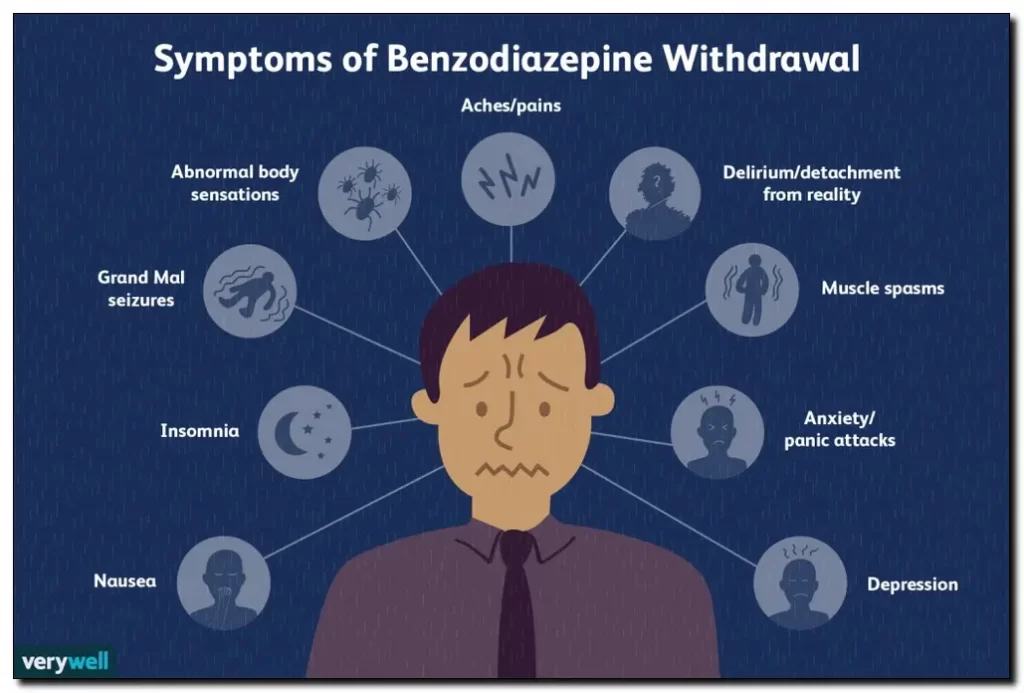
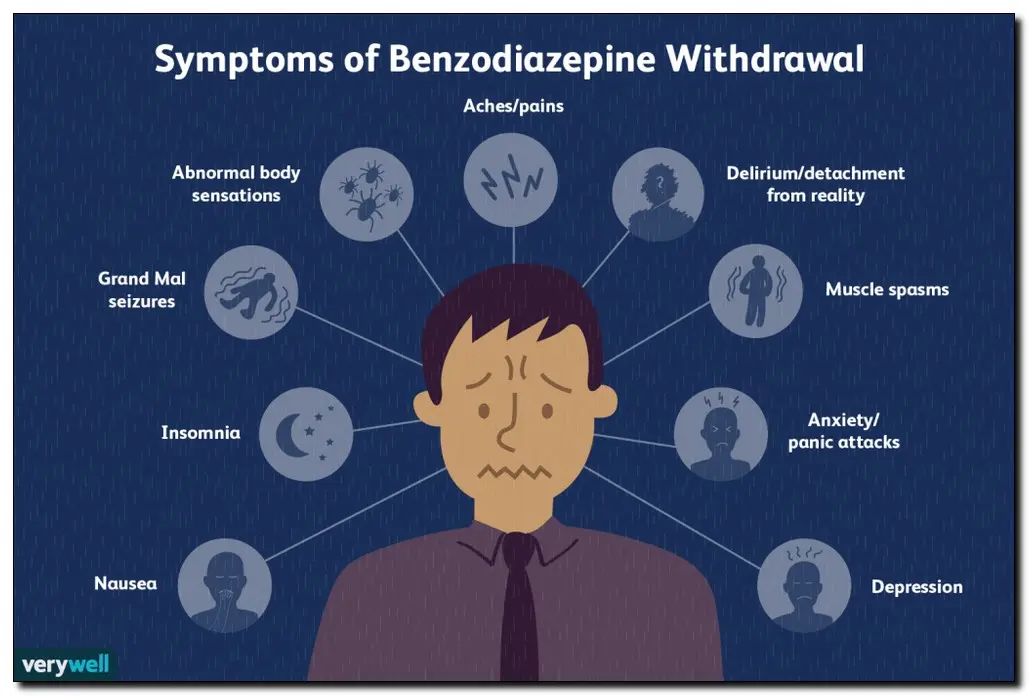
Symptoms of Benzodiazepine Withdrawal include aches and pains, delirium, muscle spasms, anxiety, depression, nausea, insomnia, gran mal seizures, abnormal body sensations

Symptoms of Benzodiazepine Withdrawal include aches and pains, delirium, muscle spasms, anxiety, depression, nausea, insomnia, grand mal seizures, abnormal body sensations

 
Common Alcohol  Detox Side Effects  
  • Feeling anxious, nervous, irritable, mood swings, depressed, wiped out, and tired
  • Shakiness, Tremors, Sweating, Headache, Faster heart rate, Dilated pupils
  • Not being able to think clearly, Difficulty sleeping, Having nightmares,
  • Dilated pupils, Appetite loss, Nausea, and/or vomiting
The most serious side effects of alcohol withdrawal and detoxification are called “Delirium Tremens” or DT’s.
Around 3-5% of people who are heavy drinkers experience the DT’s. If you or someone you care about is experiencing Delirium Tremens, please seek emergency treatment before the symptoms get worse.

Below are the symptoms of the delirium tremens
  • High Fever, High blood pressure
  • Extreme agitation, extreme Confusion, Hallucinations,
  • Seizures
Some drugs can have serious side effects, which can lead to death if not tapered down properly with medical supervision. Benzodiazepines like Xanax, Valium, Klonopin
Alprazolam (Xanax, Xanax XR)
Clobazam (Onfi)
Clonazepam (Klonopin)
Clorazepate (Tranxene)
Chlordiazepoxide (Librium)
Diazepam (Valium, Diastat Acudial, Diastat)
Estazolam (Prosom is a discontinued brand in the US)
Lorazepam (Ativan)

Please do not try to do a cold turkey detox from any benzodiazepine. We highly recommend that you call us immediately if you have been cut off from your supply of Xanax and are feeling any of the symptoms listed above. 
Methadone is an opiate replacement drug that must be tapered down. If you are prescribed this drug and facing financial hardship, talk to your provider. There may be some options available through the state in the form of emergency medical funding. 

Methadone Taperdown detox protocols are usually no more than 10 mg a week to ensure comfortable and medically safe detoxification. Do not quit Methadone cold turkey if you are prescribed it daily for maintenance. Always taper down slowly or seek a medical detox professional.  
Opioids, opiates, and heroin are safe to detox from less the horrible withdrawal symptoms that can ensue 12 or fewer hours after the last dosage. We can assist with home detox for Heroin and opioids and give you some ideas for making the detox a bit more comfortable. If you are mixing opiate medications with benzodiazepines, call us immediately due to serious health concerns with detoxification. 
Amphetamine detox will usually produce the opposite effects as the drug was intended to do. Sleep and healthy food can help more than anything through the detox process for amphetamines. The real issue is the cravings and how to deal with the need to get more of the drug. We can assist you with at-home support groups and online treatment options. 
Our counselors here at Addiction No More ® have been committed to helping those in need for over 20 years. We will continue to assist those in need throughout this Corona Virus Pandemic through online help, phone consultations, and if needed, placement into detox that is safe during this outbreak. Our detox professionals, doctors, and nurses are taking this pandemic very seriously and are practicing safe PPE protocols to ensure the safety of the clients and medical staff. 

If you would like to have a counselor contact you, please fill out this contact form. We will get in touch with you within 24-48 hours. For immediate help, call us now. This is a 24-hour FREE service.

We can help you or someone you love find the best COVID-19 SAFE Drug Rehab Center for addiction today. Addiction No More ® is an Addiction Treatment Center locator service. For immediate service, please call one of our counselors 24/7.

1-800-513-5423

Sources
COVID-19
CDC Covid Vaccines
Coronavirus

Erik Epp – Content Author


Newer posts →

WE CAN HELP – CALL NOW

Call Addiction No More at 1-800-513-5423

Search this site

Blog Categories

  • Addiction Blog
  • Clear Mind’s Sobriety Haven Blog
  • Poetry, Motivational Quotes
  • Updates, In The News
  • Vlog

Helpful Links

  • QUICK REFERENCE GUIDE
  • AFTERCARE
  • ALCOHOL REHABS
  • CHRISTIAN DRUG RHEABS
  • COURT ORDERED
  • DETOX
  • DRUG REHAB CENTERS
  • FREE DRUG REHAB
  • HOLISTIC HEALING
  • INPATIENT REHABS
  • INSURANCE ACCEPTED
  • INTERVENTION
  • MAT SERVICES
  • MEDICAID
  • OUTPATIENT
  • PRIVATE REHABS
  • SECULAR REHABS
  • VETERANS REHABS

Call for Confidential Help

Addiction No More — Recovery Starts Here

Confidential help exploring drug and alcohol treatment options throughout the United States.

Call Addiction No More at 1-800-513-5423


Find Treatment

  • Find Treatment Near You
  • Medical Detox
  • Inpatient Rehab
  • Dual Diagnosis Treatment
  • Outpatient Treatment
  • Insurance Help
  • View All Treatment Options

About and Support

  • About Us
  • Contact Us 💻
  • Privacy Policy
  • HIPAA Privacy Rule
  • Disclaimer
  • Florida Disclosure
  • Site Map

Ayuda en Español

Asistencia en español puede estar disponible para personas que buscan tratamiento por adicción. Llame al 1-800-513-5423 para obtener más información.

Addiction No More provides general information and confidential assistance for individuals exploring addiction-treatment options. We are not a medical facility, treatment provider, emergency service, or substitute for professional medical advice. Treatment availability, admission requirements, insurance coverage, costs, and clinical recommendations vary by individual and provider. Calling Addiction No More does not obligate you to enter treatment, and admission, insurance coverage, costs, or treatment outcomes cannot be guaranteed. Our telephone line accepts calls at any time; however, live assistance may not be available at every hour. Addiction No More is not an emergency or crisis service. For an overdose or medical emergency, call 911. For an immediate mental-health or suicide crisis, call or text 988. **Florida residents:** Calls generated by this website may be answered by Best Treatment Center LLC and Intervention Services. Please review our Florida Disclosure for information about represented treatment providers. Addiction No More.By using this website, you agree to our Terms, and Disclaimer. Copyright © 2003–Present Addiction No More All rights reserved.