Finding Addiction Treatment in Delaware
Finding help for drug or alcohol use can begin with a few questions: What kind of care is needed? Will insurance help pay for it? Should you look close to home or consider another location? Addiction No More helps individuals and families explore treatment options serving Delaware residents and prepare for conversations with treatment providers.
Whether you are searching near Wilmington, Newark, Dover, Milford, or another Delaware community, start with your needs rather than a facility’s appearance or advertising. You can explore medical detox, inpatient rehabilitation, dual-diagnosis services, and outpatient care. A qualified treatment provider should assess your situation and recommend an appropriate level of care.
Find Inpatient Rehab in Your Area
Looking for treatment with private insurance or self-pay?
Call to discuss treatment options, location preferences, insurance information, and questions about admission. Calling does not obligate you to enter a program.
Call anytime. If a representative is unavailable, leave a message requesting a return call.
Private Insurance and Addiction-Treatment Costs
Before selecting a drug or alcohol treatment program, ask your insurance company about benefits under your specific policy. Request information about participating providers, covered levels of care, deductibles, coinsurance, and any authorization requirements.
Then confirm those details with the facility. Ask whether it is in-network with your exact plan, which services it intends to bill, and what you may need to pay yourself. A provider accepting insurance does not automatically mean every service is covered.
Private Insurance and Self-Pay Options
Addiction No More can help you review available insurance information and explore possible treatment options. A benefits review is not a guarantee of payment. Your insurer determines coverage under your policy, and the treatment provider determines whether its program can admit you.
If you plan to pay privately, request a written explanation of the complete expected cost. Ask whether medical visits, psychiatric services, medications, testing, housing, or transportation are billed separately. Review cancellation and refund policies before making a payment.
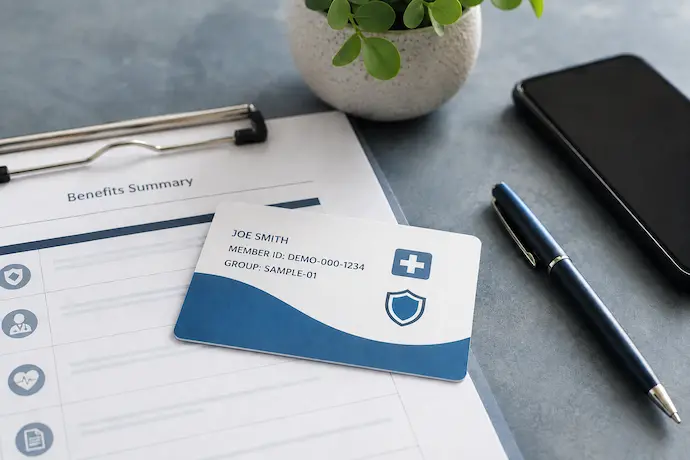
Have your insurance card available when you call 1-800-513-5423.
Exploring Addiction-Treatment Options in Delaware
Start by discussing your situation with a qualified clinician. Explain the substances involved, current symptoms, prescribed medications, previous treatment, physical and mental health concerns, and the support available where you live.
Withdrawal Management and Medical Detox
If you are concerned about withdrawal, ask a medical professional what care and supervision are appropriate before attempting to stop. Ask potential providers whether they offer withdrawal management, who supervises medical care, and what arrangements are needed before admission.
Also ask what happens afterward. Confirm how the provider coordinates ongoing treatment and whether you would need to transfer to another facility. Do not change prescribed medications without guidance from your prescriber.
Inpatient and Residential Rehabilitation
When considering a live-in program, ask about its treatment schedule, counseling services, medical staffing, medication policies, and overnight support. Confirm whether the setting is hospital-based inpatient care or residential rehabilitation and what level of supervision it provides.
Request an explanation of how treatment is individualized and how the program responds if your needs change during your stay.
Partial Hospitalization and Intensive Outpatient Care
For programs offering scheduled treatment while you live outside the facility, ask how often you attend, how many hours are required, and where you would stay. Confirm whether housing, meals, and transportation involve separate arrangements or fees.
Outpatient Care and Follow-Up Services
If you are considering outpatient treatment, discuss whether the available services and appointment schedule fit your clinical needs. Consider transportation, work, childcare, and the support available at home. Ask how counseling, medical appointments, and other services are coordinated.
Medication and Recovery Preferences
Ask a qualified medical professional whether medication should be included in your care. You can also discuss preferences for faith-based support, secular programming, family participation, or wellness activities. Confirm which services are available and how they fit into the treatment plan.

When to Discuss Inpatient Rehabilitation
If you are unsure whether scheduled appointments will provide enough support, explain that concern during a clinical assessment. Discuss previous treatment experiences, difficulty remaining safe at home, medical issues, mental health symptoms, and any recent return to substance use.
A treatment provider should explain why it recommends a particular level of care and whether its facility can meet your needs. Ask what support is available overnight, how medical concerns are handled, and when another setting might be necessary.
Before admission, ask how treatment length is determined, how progress is reviewed, and what arrangements are made for continued care. Avoid choosing a program solely because it advertises a particular number of days or attractive accommodations.
Dual-Diagnosis and Mental Health Services
If you are seeking help with substance use and mental health concerns, ask how the program addresses both. Tell the provider about existing diagnoses, current symptoms, prescribed medications, and previous psychiatric treatment.
Ask who conducts mental health evaluations, whether psychiatric appointments are available, and how medications are managed. Confirm the staff’s experience with your specific concerns and which services require outside providers.
If you already receive mental health care, ask how the program will coordinate with your current clinicians and arrange follow-up appointments after discharge.

How to Compare Delaware Treatment Programs
Look for clear answers about services, staffing, payment, and admission. Before committing to a program, consider asking:
- What license or authorization does this specific location hold?
- Which levels of care are provided here?
- Who assesses clients and develops treatment plans?
- What are the qualifications of the clinical staff?
- Is withdrawal management available on-site or arranged elsewhere?
- Can the program accommodate your health conditions and medications?
- Which counseling approaches are used?
- Is the facility in-network with your exact insurance plan?
- What expenses could remain your responsibility?
- What are the rules concerning visitors, phones, smoking, and personal belongings?
- How does the program arrange continuing care?
The Delaware Division of Substance Abuse and Mental Health provides treatment resources and a licensed-provider list. Use official resources to begin checking provider information, then confirm services and admission requirements directly with the facility.
Treatment in Delaware or Away From Home
Your search may begin in New Castle, Kent, or Sussex County. Whether you are looking near Glasgow, Middletown, Wilmington, Dover, Milford, or Newark, think about how each option would affect transportation, family participation, and follow-up appointments.
You can also consider another Delaware community or an out-of-state provider. Ask whether the program offers services suited to your needs, participates with your insurance, and has an opening that the provider has confirmed.
If you are considering care across state lines, do not assume your insurance works the same way at every facility. Verify network participation, authorization requirements, expected costs, and the plan for continuing care after you return home.
Find Inpatient Rehab in Your Area
What Happens Before Admission?
- Discuss your concerns: Explain the help you are seeking, substances involved, treatment history, and location preferences.
- Complete provider screening: The treatment provider reviews clinical needs, medications, health concerns, and the appropriate level of care.
- Confirm payment arrangements: Review insurance benefits, network participation, authorizations, or written self-pay pricing.
- Review the program: Confirm services, availability, policies, expected expenses, and admission requirements.
- Plan your arrival: Obtain instructions about transportation, identification, medications, belongings, and your confirmed admission time.
For a suspected overdose or immediate medical emergency, call 911. Addiction No More is not an emergency service.
Frequently Asked Questions
How can I check whether a Delaware rehab takes my insurance?
Ask your insurance company for participating providers, then confirm your exact plan with the facility. Request information about covered services, authorization requirements, and expected personal expenses.
Can I call about treatment for a loved one?
Yes. You can ask general questions and discuss possible next steps for someone close to you. The person seeking admission will need to participate in the provider’s assessment and applicable consent process.
Do I need to attend treatment in my Delaware city?
No. Your search can include programs elsewhere in Delaware or another state. Compare clinical suitability, insurance participation, total costs, transportation, and follow-up arrangements.
What should I have ready when I call?
If available, have your insurance card, preferred location, medication information, treatment history, and a description of current concerns. Do not delay emergency care while gathering these details.
Does calling obligate me to enter treatment?
No. You can ask questions and explore possible options without agreeing to enroll in a program.
Where can I look without private insurance?
Delaware’s publicly funded treatment resources and DSAMH Bridge Clinics provide starting points for exploring care. Ask about eligibility, available services, fees, and funding. Medicaid and Medicare options through Addiction No More’s referral network may be limited.
Can I call outside regular business hours?
Call anytime. If a representative is unavailable, leave a message requesting a return call. Live assistance may not be available at every hour.
Delaware Addiction-Treatment Resources
The Delaware Division of Substance Abuse and Mental Health, known as DSAMH, connects residents with substance use and mental health services. Its resources include information about publicly funded treatment, licensed providers, and Bridge Clinics.
DSAMH Bridge Clinics offer a place to begin screening and connect with recommended services. Check the official clinic page for current locations and access information before visiting.
If you are uninsured or your insurance does not fully meet your needs, you may qualify for publicly funded treatment. Eligibility and arrangements must be confirmed through DSAMH or the participating provider.
- Delaware Division of Substance Abuse and Mental Health
- Help Is Here Delaware
- DSAMH Bridge Clinics
- Delaware Publicly Funded Addiction Treatment Programs
- FindTreatment.gov Treatment Locator
Emergency: Call 911 for a suspected overdose or immediate medical emergency.
Speak With Someone About Delaware Treatment Options
If you have private insurance or are considering self-pay, Addiction No More can help you explore treatment options serving Delaware residents. We can discuss your preferred location, review available insurance information, and identify questions to ask potential providers.
You do not need to know exactly which program to choose before calling. Start with the concerns you have and the help you are seeking. Clinical recommendations, admission decisions, and treatment plans must come from the treatment provider.
Help Exploring Addiction Treatment
Calling does not obligate you to enter a program.
Call anytime. If a representative is unavailable, leave a message requesting a return call.
Important disclosure: Addiction No More is an information and referral service, not a treatment facility, medical provider, emergency service, or insurer. We do not diagnose conditions or determine the appropriate level of care. Program availability, licensing, services, admission, insurance participation, coverage, and costs must be confirmed directly with the treatment provider and insurance company.
Written by Erik Epp
Erik Epp is a co-founder of Addiction No More. Read Erik Epp’s full bio.
Last updated: October 31, 2026