Looking for a drug or alcohol rehab center that accepts your health insurance? If you have private health insurance and are considering treatment, this directory can help you find information about your insurance company and the questions to ask before choosing a program.
Insurance may help pay for medically necessary addiction treatment, including medical detox, inpatient rehab, residential treatment, and outpatient care. But every plan is different. The insurer name alone cannot tell you which facility is covered or how much you may owe.
Use the insurance company boxes below to find your plan, visit its individual guide, and learn what to check before admission. Addiction No More helps individuals and families explore private drug and alcohol treatment options nationwide.
Have Private Insurance and Need Rehab?
Already looking for inpatient or residential treatment? Call to discuss possible private addiction treatment options and questions about using your insurance.
1-800-513-5423
The phone line accepts calls around the clock, although live assistance may not always be available. Calling does not obligate you to enter treatment. Insurance coverage, admission, availability, costs, and outcomes cannot be guaranteed.
Private Health Insurance Companies That May Cover Drug Rehab
If you have Aetna, Cigna, Blue Cross Blue Shield, UnitedHealthcare, or another private health plan, start by finding the company below. Each box links to a guide about that insurer and addiction treatment.
Important: This is an information directory, not a list of facilities guaranteed to accept every plan. A rehab center may accept one plan from an insurance company but not another. Always check your exact network and benefits.
Aetna
Aetna plans may include substance use disorder benefits for qualifying inpatient, residential, detox, and outpatient services. Check the plan network, authorization rules, and expected personal costs.
Ambetter
Ambetter offers health plans in participating states, including Marketplace coverage. Network options and treatment benefits differ by state and by the specific plan on your card.
Anthem
Anthem plans may cover eligible addiction treatment. Confirm which Anthem network applies to your policy and whether a prospective rehab facility participates.
AvMed
AvMed members can review behavioral health and addiction treatment benefits through their particular plan. Provider networks and coverage requirements may differ.
Blue Cross Blue Shield
Blue Cross Blue Shield coverage varies among independent local BCBS companies and plan types. The exact company and network on your card matter when choosing a rehab center.
CareFirst
CareFirst offers health coverage in parts of the Mid-Atlantic region. Check whether the desired inpatient or residential program is in your plan network and whether prior authorization applies.
Cigna Healthcare
Cigna health plans may include coverage for clinically appropriate detox, inpatient or residential rehab, and outpatient treatment. PPO, HMO, and other plans can have different networks and costs.
Geisinger Health Plan
Geisinger members may have addiction treatment benefits within their plan network. Available facilities and out-of-area coverage depend on the policy.
Humana
Humana offers different health plan products. Treatment eligibility, network participation, and any requirements for addiction treatment should be confirmed for the exact policy.
Kaiser Permanente
Kaiser Permanente coordinates many services through its own health system and participating providers. Ask about referral or authorization requirements before arranging treatment elsewhere.
Oscar Health
Oscar health plans may include coverage for eligible substance use disorder services. Treatment options depend on your plan, location, provider network, and clinical needs.
Tufts Health Plan
Tufts Health Plan members should check their behavioral health benefits, available facilities, and prior-authorization requirements before entering a treatment program.
UnitedHealthcare
UnitedHealthcare plans may cover eligible detoxification, inpatient rehab, residential treatment, or outpatient services. Network and cost-sharing terms vary by plan.
Don't See Your Insurance Company?
This list is not exhaustive. Check the full name of the health plan on your card, and call if you have private insurance and need to discuss possible treatment options.
Insurance Networks and Behavioral Health Administrators
Some cards show a network or benefits-administrator name in addition to the actual insurance company. This distinction matters: a network name by itself does not establish what will be paid for. If you see one of the following names, look for the insurer or plan administrator on your card.
Carelon Behavioral Health
Carelon Behavioral Health may administer mental health or substance use benefits for other health plans. CarelonRx, a pharmacy-benefit business, is not itself a medical insurance policy.
First Health Network (PPO Provider Network)
First Health is a provider network. Your actual insurance company or plan administrator—not the network name alone—determines whether addiction treatment is covered.
MultiPlan / PHCS
MultiPlan and PHCS are network-related names, not standalone insurance coverage. Check the issuer or plan administrator listed on your insurance card.
When in doubt, call the member services number on your insurance card and ask which organization administers your substance use disorder benefits.
What Addiction Treatment Services Can Insurance Cover?
Different insurance policies may include benefits for several levels of substance use disorder treatment. The appropriate level of care should be based on a qualified clinical assessment—not simply the type of program advertised online.
Common Treatment Options
- Medical detox: Assessment, monitoring, and treatment of withdrawal symptoms when medically appropriate.
- Inpatient treatment: Structured addiction treatment in a supervised setting.
- Residential rehab: Live-in treatment with counseling and recovery services.
- Partial hospitalization (PHP): Intensive daytime services without an overnight stay.
- Intensive outpatient (IOP): Scheduled treatment while living at home or in another community setting.
- Dual diagnosis: Treatment for addiction alongside co-occurring mental health needs.
Insurance approval may depend on medical necessity, network participation, prior authorization, and the specific policy. A plan may cover some services but not others.
How Do I Find a Rehab That Accepts My Insurance?
Once you identify your insurance company, the next step is confirming which specific treatment providers and levels of care are covered. Here is a practical way to do that.
- Check the exact plan: Find your policy name and member services number on the card.
- Ask about addiction treatment benefits: Confirm whether detox, inpatient treatment, and residential treatment are included.
- Check the facility's network status: Ask whether the program participates in your particular plan's network, not just whether it takes that insurance brand.
- Ask about authorization: Determine whether the insurer needs a clinical assessment or prior authorization before admission.
- Review the cost: Request an explanation of your deductible, copayments, coinsurance, and any out-of-network expenses.
- Compare clinical suitability: Confirm that the program can provide the medically appropriate level of treatment.
What to Have Available When You Call
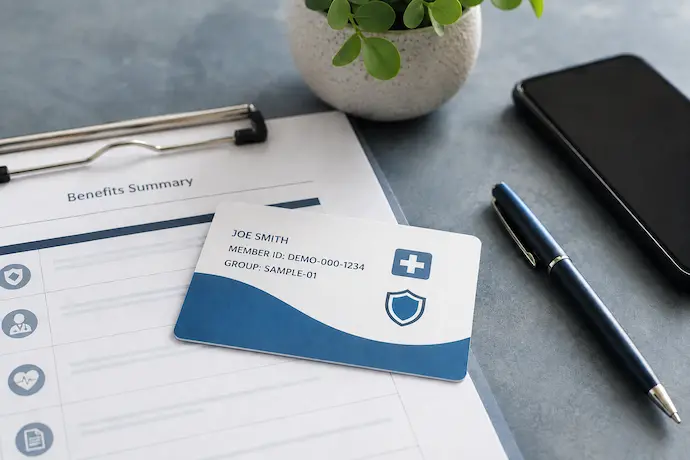
Have your insurance card handy, along with the name of your plan and a general idea of whether you're looking for inpatient, residential, or detox treatment. You do not need to post your policy number publicly.
Do not send member identification numbers or sensitive health details through unsecured email or public messages. Verification of benefits is not a guarantee of payment.
PPO Insurance, In-Network Rehab and Out-of-Pocket Costs
The name of the insurance company does not tell the whole story. Two plans issued by the same company may have different provider networks and very different out-of-pocket expenses.
In-Network Rehab
An in-network treatment facility has a contractual relationship with the health plan or its administrator. Using an in-network provider often lowers the amount a member has to pay, but deductibles, copayments, coinsurance, and authorization rules can still apply.
PPO and Out-of-Network Rehab
Some PPO plans provide out-of-network benefits, which may make additional treatment facilities available. However, out-of-network treatment can involve higher deductibles, coinsurance, or balance billing. Many HMO and EPO plans limit coverage for nonemergency out-of-network services.
Will Insurance Pay the Entire Cost of Rehab?
Not necessarily. Even when a service is covered, members may owe a deductible, copayment, coinsurance, or charges for noncovered services. Ask for a written estimate of your financial responsibility before admission. If insurance is not sufficient, some facilities may offer self-pay arrangements.
Medicare, Medicaid and TRICARE Rehab Coverage
Medicare, Medicaid, and TRICARE are different from standard commercial health insurance. Each program has its own eligibility, provider-participation, and coverage rules. We list these options separately so visitors can find the correct information.
Medicaid
Medicaid may pay for eligible substance use disorder services through participating providers. Coverage and available treatment facilities vary by state and program.
Medicaid-Accepted Rehab Information
Medicare
Medicare may cover eligible substance use disorder services, subject to applicable Medicare coverage, provider participation, and cost-sharing rules.
TRICARE
TRICARE may cover certain clinically appropriate addiction treatment services for eligible beneficiaries. Confirm the facility, referrals, authorizations, and benefits for the specific TRICARE plan.
Frequently Asked Questions About Insurance and Rehab
How do I know which rehab centers take my insurance?
Check your insurer’s provider directory and contact the facility directly. Confirm that the exact health plan is accepted and that the needed treatment is covered; a facility accepting the insurance brand does not guarantee it accepts your plan.
Does private health insurance cover inpatient drug rehab?
Many private policies include benefits for substance use disorder treatment. Whether inpatient or residential care is covered depends on the individual policy, medical necessity, provider network, and authorization requirements.
Can I use a PPO plan for residential addiction treatment?
Some PPO plans include residential treatment benefits and may offer out-of-network coverage. The plan documents and provider verification determine the actual benefits and expenses.
Does health insurance cover 30-day rehab?
Some plans may cover clinically appropriate treatment at programs offering 30-day stays, but a fixed length of stay is not automatically guaranteed. Approval may depend on clinical reviews.
Will my insurance cover rehab in another state?
Possibly. Out-of-state benefits vary by plan, geographic service area, provider network, and authorization rules. Verify coverage before making travel arrangements.
Can insurance help pay for a private or luxury rehab?
Some private treatment centers accept eligible insurance plans. Coverage generally applies to covered clinical services, not necessarily private rooms or luxury amenities.
What if my insurance denies treatment?
Ask for the denial reason in writing, review appeal rights and deadlines, and discuss clinically appropriate in-network alternatives. The insurer or treatment provider can explain applicable review procedures.
What if I have private insurance but cannot afford the deductible?
Ask for a written estimate and discuss whether the facility offers a lawful payment arrangement or whether another clinically appropriate, more affordable program is available. Never assume deductibles can simply be waived.
Need Help Exploring Private Addiction Treatment?
If you have private health insurance and are looking for drug or alcohol treatment, Addiction No More can help you explore possible treatment options. You may be considering inpatient rehab, residential addiction treatment, medically supervised detox, or programs outside your home state.
Start with the insurer guides above, compare what your plan may cover, and confirm benefits and admission details directly with the relevant insurance company and treatment facility.
Have Insurance? Looking for Rehab?
Call to discuss private addiction treatment options and the next steps for checking coverage. Keep your insurance card nearby.
1-800-513-5423
Calling does not obligate you to enter treatment. Coverage, authorization, provider participation, admission, availability, costs, and outcomes cannot be guaranteed.
You can also read our guide to drug rehabs that accept health insurance or explore whether private insurance may cover inpatient rehab.
Important disclosure: Addiction No More is an independent addiction treatment information and referral service, not an insurance company, treatment provider, emergency service, or government agency. The insurers and networks on this page are listed for informational purposes; their inclusion does not imply endorsement or affiliation.
Addiction No More does not diagnose conditions, determine medical necessity, authorize benefits, or guarantee a particular treatment program. Insurance coverage, provider-network participation, services, admission, costs, and treatment outcomes must be confirmed with the relevant insurer and facility.
Written by Erik Epp
Erik Epp is a founder of Addiction No More with more than 20 years of experience helping individuals and families explore addiction treatment options. Read his author biography.
Last updated:
Emergency information: Addiction No More is not an emergency or crisis service. Call 911 for an overdose, seizure, difficulty breathing, loss of consciousness, or other medical emergency. Call or text 988 for an immediate mental health or suicide crisis.
Sources and Further Reading
- HealthCare.gov: Mental Health and Substance Use Coverage
- CMS: Mental Health Parity and Addiction Equity
- SAMHSA: Know What Your Insurance Covers