State-funded drug and alcohol treatment programs in Florida provide services for some residents who cannot afford private treatment. Depending on eligibility, funding, location, and availability, assistance may include assessment, detoxification, outpatient counseling, residential treatment, medication services, and recovery support.
State-funded treatment is not automatically available to everyone, and it does not always mean that every service will be completely free. Programs may have eligibility requirements, limited beds, waiting lists, residency requirements, or sliding-scale charges based on income.
Addiction No More is not a state-funded treatment provider and does not enroll people in Florida government programs. Our telephone assistance is primarily intended for people who have private health insurance or who can pay for treatment.
Which Type of Treatment Help Do You Need?
I Have Private Health Insurance or Can Pay for Treatment
Private insurance or self-payment may provide access to additional medical detoxification, inpatient rehabilitation in Florida, dual-diagnosis care, and specialized treatment options.
Available programs depend on clinical needs, location, insurance participation, financial arrangements, and current availability.
Call 1-800-513-5423 for confidential help exploring private treatment options.
Calling does not obligate you to enter treatment. Admission, insurance coverage, costs, availability, and treatment results cannot be guaranteed.
I Need Free, State-Funded or Medicaid Treatment
If you do not have private insurance and cannot pay for treatment, continue reading for information about Florida’s publicly funded treatment system, Medicaid, sliding-fee programs, and official treatment-search resources.
What Is State-Funded Addiction Treatment?
State-funded addiction treatment is supported in whole or in part through government funding. Funding may come from federal block grants, state appropriations, Medicaid, county programs, or other public sources.
Florida uses a community-based system to provide substance-use and mental-health services. Public funding is distributed through regional systems and contracted community providers. These organizations may offer services directly or connect eligible residents with participating providers.
“State-funded” does not describe one particular facility or level of care. It can refer to outpatient counseling, withdrawal management, medication services, residential care, peer support, recovery housing assistance, or another service funded through Florida’s behavioral-health system.
Public funding is limited. The fact that a provider receives government funding does not mean every person qualifies, every service is free, or a bed will be immediately available.
Who May Qualify for State-Funded Rehab in Florida?
Eligibility varies by program, region, funding source, and the type of care requested. A program may consider:
- Florida residency
- Household income and financial resources
- Insurance or Medicaid status
- The substances being used
- Withdrawal and immediate safety risks
- The severity of the substance-use problem
- Pregnancy or dependent children
- Disability or co-occurring mental-health needs
- Age and other population-specific requirements
- Current program capacity and funding
An assessment may be required before a program determines eligibility or recommends a level of care. Wanting treatment is important, but willingness alone does not guarantee admission or move someone ahead of other applicants.

Confidential assistance is available for Florida residents seeking local or out-of-area addiction treatment.
Florida’s Public Addiction-Treatment System
The Florida Department of Children and Families oversees the state’s publicly funded substance-use and mental-health system. Services are coordinated regionally through organizations known as Managing Entities. Managing Entities oversee networks of community providers rather than operating every treatment program themselves.
People who need publicly funded treatment can use the following official resources:
- Florida Department of Children and Families treatment information
- Florida regional Managing Entities
- FindTreatment.gov treatment locator
- SAMHSA free and lower-cost treatment information
FindTreatment.gov allows visitors to search for providers and filter results by payment assistance, Medicaid acceptance, sliding-fee scales, and other services. Listings and program availability should always be confirmed directly with the provider.
Important: Addiction No More cannot approve government funding, determine eligibility, place someone on a public-program waiting list, or guarantee free treatment. Contact the appropriate public agency or provider directly for state-funded services.
Services That May Be Available
Florida’s publicly supported system may include several types of substance-use treatment and recovery services. Availability differs by county, region, provider, and funding source.
Assessment and Referral
An assessment helps determine the severity of substance use, possible withdrawal risks, physical and mental-health needs, and an appropriate level of care. An assessment does not guarantee admission to a particular program.
Detoxification and Withdrawal Management
Some public providers offer or coordinate detoxification for people who need support during withdrawal. Alcohol, benzodiazepine, opioid, and certain other forms of withdrawal may require medical evaluation and monitoring.
Detoxification addresses immediate withdrawal and stabilization. It is not a complete course of addiction treatment.
Learn more about when someone may need a medical detox program before entering ongoing addiction treatment.
Residential Treatment
Residential programs provide a structured living environment while a person participates in addiction treatment. Publicly funded residential beds may be limited, and admission requirements vary.
Compare these services with private inpatient drug and alcohol treatment in Florida.
Outpatient Treatment
Outpatient care allows participants to live at home or in another community setting while attending scheduled counseling and recovery services. Public outpatient care may be more widely available than residential placement in some areas.
Learn how outpatient addiction treatment differs from residential care.
Medication Services
Some programs offer or coordinate medications used to treat opioid or alcohol use disorders. Medication availability, prescribing requirements, and payment arrangements differ among providers.
Recovery Support
Peer support, case management, transportation assistance, housing referrals, employment support, and recovery planning may be available through some community programs.
State-Funded Treatment Versus Private Treatment
Both public and private programs can provide meaningful addiction treatment. The primary differences frequently involve funding, eligibility, availability, location, accommodations, and the number of programs from which a person can choose.
State-funded treatment may be appropriate for someone who does not have insurance or sufficient financial resources. However, public programs may have limited residential beds, regional eligibility rules, waiting periods, or fewer choices involving location and amenities.
Private insurance or self-payment may offer access to additional programs, including facilities outside the person’s immediate area. Depending on the program, options may include:
- Medical detoxification
- Residential or inpatient rehabilitation
- Dual-diagnosis treatment
- Trauma-informed care
- Longer-term residential treatment
- Gender-specific programs
- Faith-based or secular treatment
- Private or semiprivate accommodations
- Programs located elsewhere in Florida or out of state
Private treatment is not automatically better, and paying more does not guarantee recovery. The appropriate program should be based on clinical needs, provider qualifications, services, safety, financial considerations, and the individual’s circumstances.
You can also review the different types of addiction-treatment programs before deciding which services and level of care to investigate.
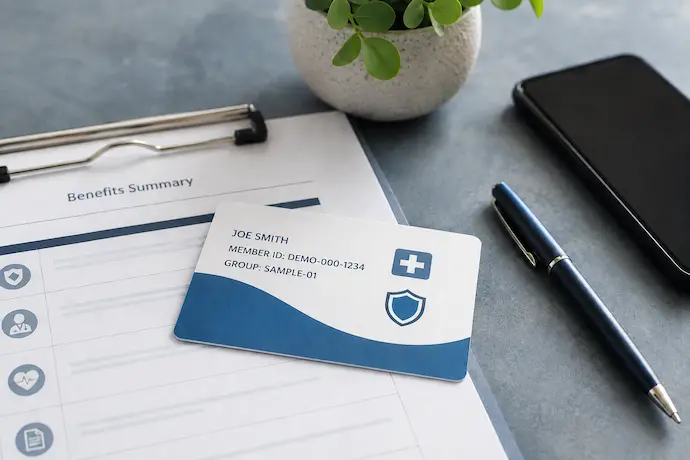
Insurance benefits may help cover eligible addiction-treatment services. Coverage must be verified for each individual policy.
Do You Have Private Insurance?
If you have coverage through an employer, marketplace plan, spouse, parent, or another private policy, your benefits may help pay for eligible addiction-treatment services.
Call 1-800-513-5423 to discuss available private treatment options and questions to ask about your insurance benefits.
Insurance benefits, network participation, authorization, admission, availability, and personal costs must be confirmed by the insurance company and treatment provider.
Using Private Health Insurance for Rehab
Private health insurance may cover medically necessary substance-use treatment, but coverage differs among policies. A plan may cover detoxification, residential treatment, partial hospitalization, intensive outpatient treatment, standard outpatient care, or medication services.
Coverage can depend on:
- Whether the provider is in-network or out-of-network
- Medical-necessity criteria
- Prior-authorization requirements
- The policy deductible
- Copayments or coinsurance
- Out-of-pocket limits
- The requested level and duration of care
- Benefits already used during the plan year
Before entering treatment, ask the provider and insurance company to explain expected personal costs. Verification of benefits is not a guarantee that the insurance company will pay every claim.
Learn more about Florida drug rehabs that accept private health insurance.
Medicaid and Addiction Treatment in Florida
Florida Medicaid may cover certain substance-use treatment services for eligible members. Covered services, participating providers, referrals, authorization requirements, and personal costs depend on the individual’s Medicaid plan and circumstances.
Not every treatment provider accepts Medicaid, and Medicaid acceptance does not guarantee an available bed or approval for every requested service. Members should contact the telephone number on their Medicaid plan card or use the plan’s provider directory to locate participating behavioral-health providers.
Addiction No More does not determine Medicaid eligibility, enroll people in Medicaid, or guarantee Medicaid-funded admission.
Sliding-Scale and Lower-Cost Programs
Some nonprofit, community, and private providers use sliding-fee scales. A sliding fee is normally based on income or ability to pay. It does not necessarily mean treatment is free.
Ask each provider:
- Whether a sliding-fee scale is available
- What financial documents are required
- Whether there is a minimum charge
- Which services qualify for reduced fees
- Whether payment plans are available
- Whether the reduced rate applies to medications or medical services
Community health centers, nonprofit behavioral-health organizations, county resources, faith-based organizations, and recovery-support groups may also provide lower-cost assistance.
Waiting Lists and Treatment Availability
State-funded residential programs may have limited beds or waiting lists. Availability can change frequently and may vary among Florida regions.
If a preferred program is unavailable, ask whether the organization can:
- Complete an initial assessment
- Refer you to another participating provider
- Place you on a waiting list
- Recommend interim outpatient services
- Provide withdrawal or overdose-safety information
- Connect you with peer or community recovery support
Do not assume that waiting for a particular facility is medically safe. Someone at risk of severe withdrawal, overdose, self-harm, or another emergency needs immediate professional help.
How to Find Addiction Treatment in Florida
The best starting point depends on how treatment will be funded.
If You Have Private Insurance
Contact your insurance company or call Addiction No More to explore private treatment options. Have the insurance card available if possible. The policyholder’s name, date of birth, policy number, and insurance company may be needed to investigate potential benefits.
For private-insurance or self-pay treatment options, call 1-800-513-5423.
If You Can Pay Without Insurance
Ask providers for the full estimated price, what the price includes, deposit requirements, accepted payment methods, and refund policies. Self-payment may provide additional choices, but prices differ substantially.
If You Need State-Funded Care
Contact your regional Florida Managing Entity, Florida 211, or a community behavioral-health provider. You may also search FindTreatment.gov and filter for Medicaid, payment assistance, or a sliding-fee scale.
If You Have Florida Medicaid
Call the member-services number listed on the Medicaid plan card and request participating substance-use treatment providers. Ask whether an assessment, referral, or prior authorization is required.
For a broader overview of services and locations, visit our guide to drug and alcohol treatment in Florida.
Questions to Ask Before Entering Treatment
- Is the provider appropriately licensed?
- What level of care does the program provide?
- Is medical detoxification available on-site?
- Who performs the clinical assessment?
- Does the program treat co-occurring mental-health conditions?
- Does the provider offer medication when clinically appropriate?
- Is the program state-funded, Medicaid-funded, sliding-scale, or privately funded?
- What eligibility documents are required?
- Is there currently a waiting list?
- What costs will I be responsible for?
- What happens if insurance or government funding does not pay?
- What aftercare is arranged before discharge?
Frequently Asked Questions
Is state-funded rehab in Florida completely free?
Sometimes, but not always. A program may be fully funded, partially funded, covered through Medicaid, or offered on a sliding-fee scale. Eligibility, services, and possible charges must be confirmed directly with the program.
Can Addiction No More place me in a free Florida rehab?
No. Addiction No More is not a state agency or state-funded treatment provider. We do not control public funding, waiting lists, eligibility, or admission. People seeking only free treatment should contact Florida’s public behavioral-health system or use FindTreatment.gov.
Who should call Addiction No More?
Our telephone assistance is primarily intended for people who have private health insurance or the ability to pay for treatment. Calling does not guarantee admission, insurance approval, a particular program, or a specific cost.
How long does it take to enter a state-funded program?
There is no standard waiting period. Timing depends on clinical urgency, eligibility, provider capacity, funding, the requested level of care, and regional availability.
Does Florida Medicaid pay for inpatient rehab?
Florida Medicaid may cover certain substance-use treatment services, but coverage and authorization depend on the member’s plan and clinical circumstances. Contact the Medicaid plan directly for participating providers and benefit information.
Can private insurance provide faster admission?
Private insurance or self-payment may provide access to more program options, but immediate admission cannot be guaranteed. Availability, medical appropriateness, insurance authorization, and provider requirements still apply.
Can someone receive treatment outside Florida?
Some people with private insurance or self-payment consider programs outside Florida. Insurance networks, travel arrangements, clinical needs, and costs should be reviewed before choosing an out-of-state facility. Publicly funded Florida services may be limited to eligible Florida residents and participating providers.
Confidential Help Exploring Private Treatment
If you have private health insurance or can pay for treatment, Addiction No More can help you explore possible treatment options.
Important disclosure: Addiction No More is an information and referral service, not a treatment facility, government agency, medical provider, emergency service, or insurer. We do not provide or approve state funding, diagnose conditions, or determine the appropriate level of care. Program availability, licensing, services, admission, insurance participation, coverage, and costs must be confirmed directly with the treatment provider and insurance company.
Written by Erik Epp
Erik Epp is a founder of Addiction No More and has more than 20 years of experience helping individuals and families navigate addiction-treatment options. Read Erik Epp’s full bio.
Last updated:
Florida residents: Calls generated by this website may be answered by Best Treatment Center LLC and Intervention Services. Please review our Florida Disclosure for information about represented treatment providers.
Emergency information: Addiction No More is not an emergency or crisis service. Call 911 for an overdose, seizure, loss of consciousness, difficulty breathing, severe withdrawal symptoms, or another medical emergency. Call or text 988 for an immediate mental-health or suicide crisis.