
Dual Diagnosis Treatment Programs in Illinois
Finding help for both addiction and mental health challenges can feel overwhelming, but effective treatment is available. Dual diagnosis treatment programs in Illinois specialize in helping individuals who are struggling with both substance use and conditions such as depression, anxiety, PTSD, or bipolar disorder.When addiction and mental health disorders occur together, each condition can make the other worse. Dual diagnosis treatment centers provide integrated care that addresses both issues simultaneously, giving individuals the best chance of lasting recovery.
If you or a loved one needs help finding a dual diagnosis rehab program in Illinois, confidential assistance is available now.
 Call 1-800-513-5423 to speak with an addiction treatment specialist today.
1-800-513-5423
What You Will Learn on This Page
Why Illinois Is an Ideal Place for Dual Diagnosis Treatment?
What Is Dual Diagnosis?
Do I need dual diagnosis treatment?
Dual Diagnosis Treatment in Illinois
Types of Dual Diagnosis Treatment Programs in Illinois
Therapies Commonly Used in Dual Diagnosis Treatment
How Much Does Dual Diagnosis Treatment Cost in Illinois?
Does Insurance Cover Dual Diagnosis Treatment?
Private Dual Diagnosis Treatment Centers
How to Hold an Intervention for a Loved One
How Addiction No More can help
Frequently Asked Questions About Dual Diagnosis Treatment in Illinois

Why Illinois Is an Ideal Place for Dual Diagnosis Treatment?
Illinois provides robust dual diagnosis treatment anchored by major healthcare systems. Services commonly include medical detox, psychiatric stabilization, MAT, trauma-informed therapy, and structured outpatient programming. Clients can engage in sober city activities along the lakefront in Chicago or visit cultural spaces like Millennium Park. The state offers strong aftercare and step-down options.Dual diagnosis treatment programs in Illinois are designed for individuals who are living with both a mental health disorder and a substance use disorder at the same time. This condition is commonly referred to as co-occurring disorders or comorbidity. Because mental illness and addiction often reinforce one another, effective treatment must address both conditions simultaneously.
Many people struggling with depression, anxiety, PTSD, bipolar disorder, or other mental health conditions turn to drugs or alcohol as a form of self-medication. Over time, this can lead to physical dependence, worsening mental health symptoms, and a cycle that becomes difficult to break without professional help. Dual diagnosis treatment programs in Illinois focus on identifying the underlying mental health condition while treating the substance use disorder in an integrated, evidence-based way.
If you or a loved one is unable to stop using drugs or alcohol and is also experiencing mental health symptoms, a dual diagnosis rehabilitation center can provide the specialized care needed to begin long-term recovery.
Our addiction treatment specialists have over 25 years of experience helping individuals find effective, affordable dual-diagnosis treatment. All calls are HIPAA-compliant and completely confidential. Call for immediate, confidential help:
1-800-513-5423
What Is Dual Diagnosis?
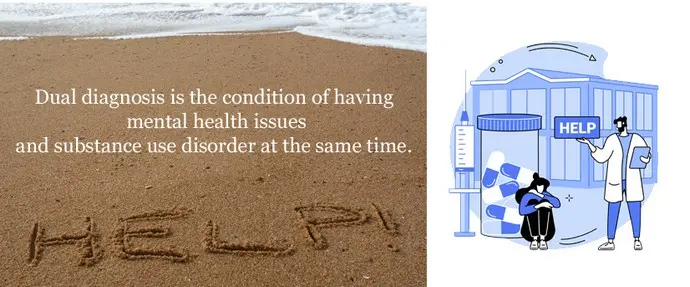
Dual diagnosis is the presence of a mental health disorder and a substance use disorder occurring together. It may also be called co-occurring disorders or comorbidity. Comorbidity means that two or more disorders exist in the same person, either simultaneously or sequentially, and often interact in ways that make both conditions more severe.
Without proper treatment, symptoms of both addiction and mental illness tend to worsen over time. Dual diagnosis treatment programs are specifically designed to address these complex interactions through integrated care, rather than treating each condition separately.
Do I Need Dual Diagnosis Treatment?
When someone is struggling with both a mental health disorder and substance use in Illinois, it can feel overwhelming—for them and their loved ones. Signs like uncontrollable drinking or drug use, severe mood swings, anxiety, or depression that disrupt daily life often indicate the need for dual diagnosis treatment. Left untreated, these challenges feed off each other, making recovery harder and life more chaotic.

Dual Diagnosis Treatment in Illinois
Dual diagnosis treatment in Illinois offers hope by addressing both mental health and addiction at the same time. With expert care, therapy, counseling, and medical support, individuals learn to manage their conditions, regain stability, and rebuild their lives. Early intervention can prevent further harm, reduce the risk of relapse, and give people the tools they need for lasting recovery.
Individuals struggling with both a mental health disorder and a substance use problem often display symptoms of mood disorders ranging from persistent dysthymia to major depressive episodes. Anxiety frequently occurs alongside depression, creating a complex clinical picture. Dual diagnosis treatment centers in Illinois are specifically equipped to support people facing these co-occurring challenges.
Professionals at these centers, including therapists, doctors, nurses, detox specialists, social workers, and counselors, are trained to address the unique needs of dual diagnosis clients. They monitor both mental and physical health and provide interventions designed to keep patients comfortable, safe, and supported throughout recovery.
Unlike clients dealing solely with addiction, individuals with co-occurring disorders require comprehensive care that simultaneously addresses both mental health and substance use. Without specialized treatment at a dual diagnosis rehabilitation facility, these conditions are likely to worsen over time.
Dual Diagnosis Treatment Programs in Illinois May Include:
Evidence-based treatment programs
Integrated interventions for mental health and addiction
Medication management when necessary
Individual and group counseling
Self-help strategies and lifestyle modifications
Trauma-informed therapy
Lifestyle and behavioral changes
Peer support and relapse prevention planning
Private or semi-private accommodations (varies by program)
If you are ready to stop the cycle of addiction and untreated mental illness, call today to discuss available treatment options in Illinois.
1-800-513-5423
Types of Dual Diagnosis Treatment Programs in Illinois
Treatment centers that offer dual-diagnosis programs are staffed with professionals trained to manage both conditions simultaneously. This typically includes licensed therapists, psychiatrists, medical doctors, nurses, detox specialists, social workers, and counselors who monitor both physical and psychological health throughout treatment.
Treating addiction without addressing mental illness—or vice versa—often leads to relapse. Dual diagnosis treatment treats the whole person, increasing the chances of long-term recovery.
Intensive Outpatient Programs (IOPs): IOPs allow individuals to receive structured treatment while continuing to live at home. IOPs typically involve multiple therapy sessions per week, medication monitoring, and one-on-one counseling. These programs are best suited for individuals who do not require 24-hour supervision but still need consistent clinical support.
Inpatient Dual Diagnosis Rehabilitation Centers in Illinois: Inpatient treatment provides 24/7 medical and therapeutic care in a residential setting. Programs typically last 28 days to several months, depending on clinical need. Clients receive continuous monitoring, psychiatric care, therapy, and structured daily programming. Inpatient treatment is often recommended for individuals with severe symptoms, repeated relapse, or unstable living environments.
Partial Hospitalization Programs (PHP): PHP programs in Illinois offer intensive daytime treatment—usually 5–6 hours per day—while clients reside in supportive housing or their own homes. PHPs provide a high level of care without full residential admission and are often used as a step down from inpatient treatment.
Therapies Commonly Used in Dual Diagnosis Treatment
Dual diagnosis treatment programs may incorporate a combination of the following therapies:
Motivational Interviewing (MI)
Cognitive Behavioral Therapy (CBT
Dialectical Behavioral Therapy (DBT)
Medication-Assisted Treatment (MAT)
Biofeedback and Neurofeedback Therapy
Moral Reconation Therapy (MRT)
Trauma-Informed Therapy and PTSD Treatment
EMDR, mindfulness, and group therapy
These therapies are selected based on the individual’s diagnosis, history, and treatment goals.

How Much Does Dual Diagnosis Treatment Cost in Illinois?
The cost of dual diagnosis treatment varies based on the level of care, length of stay, and whether the facility is public or private. Private treatment programs can range from $5,000 to $60,000 per month, depending on services and accommodation.
Many facilities offer payment plans, financial assistance, or insurance-based options to help make treatment accessible.
Does Insurance Cover Dual Diagnosis Treatment?
Most dual diagnosis treatment programs in Illinois accept insurance. Coverage may include detox, inpatient treatment, outpatient services, and psychiatric care, depending on your plan.
Commonly accepted insurance providers include:
Blue Cross Blue Shield (BCBS)
Aetna
Cigna
UnitedHealthcare
Elevance Health (formerly Anthem)
Kaiser Permanente
Our intake specialists can verify your insurance benefits and explain your coverage, copays, and out-of-pocket costs.
1-800-513-5423

Private Dual Diagnosis Treatment Centers
Private treatment centers typically offer lower client-to-staff ratios, more individualized therapy, and enhanced amenities. These programs may be ideal for individuals seeking greater privacy, personalized care, or a more comfortable environment.
Some individuals benefit from attending treatment outside of Illinois to reduce exposure to triggers and maintain anonymity. Our counselors can help determine whether out-of-state treatment is appropriate for your situation.

How to Hold an Intervention for a Loved One
The most effective way to help someone in Illinois get the treatment they need is to work with a professional interventionist who can travel to the state and guide the individual toward agreeing to enter a program for their substance use disorder.
When a loved one refuses help, a professionally guided intervention may be necessary. Interventionists are trained to help families approach addiction with structure, compassion, and firm boundaries. A well-planned intervention can significantly increase the likelihood that someone enters treatment.
Illinois has access to professional intervention services both in-state and nationwide. Call us now to set up a consultation with one of our interventionists in Illinois.
1-800-513-5423

How Addiction No More Can Help
Addiction No More helps individuals and families find dual-diagnosis treatment programs in Illinois that match their needs, insurance coverage, and recovery goals. We provide confidential guidance, treatment referrals, and immediate support.
Call now for help:1-800-513-5423
Your recovery—or your loved one’s—can start today.
Frequently Asked Questions About Dual Diagnosis Treatment in Illinois
What is dual diagnosis treatment?
Dual diagnosis treatment addresses both a mental health disorder and a substance use disorder at the same time through integrated therapy, counseling, and medical care.
Does insurance cover dual diagnosis treatment in Illinois?
Many dual-diagnosis treatment centers accept insurance plans, including BCBS, Aetna, Cigna, and UnitedHealthcare, though coverage varies by policy.
How long does dual diagnosis treatment last?
Treatment length can range from several weeks to several months, depending on the level of care, the severity of symptoms, and the individual’s recovery needs.

Serenity House Inc in Addison, Illinois, provides structured substance abuse and co-occurring disorder treatment services for adults seeking recovery support.
Services include:
Long-term sober living programs
Short-term sober living programs
Outpatient treatment services
Substance abuse treatment
Dual diagnosis treatment
Treatment focus areas include:
Drug addiction
Alcohol addiction
Bipolar disorder
Anxiety
Depression
PTSD
Other co-occurring mental health conditions
Payment options accepted:
Self-pay, Medicare, private health insurance, military insurance, VA benefits, TRICARE
Serenity House
891 South Route 53
Addison, IL 60101
Northwest Community Hospital in Arlington Heights, Illinois offers hospital-based treatment programs for individuals experiencing both substance use and mental health disorders.
Services include:
Residential long-term treatment
Short-term inpatient drug rehabilitation
Hospital inpatient psychiatric and addiction services
Dual diagnosis stabilization programs
Treatment focus areas include:
Drug addiction
Alcohol dependence
Bipolar disorder
Anxiety disorders
Depression
PTSD
Other co-occurring mental health conditions
Payment options accepted:
Self-pay, private health insurance, military insurance, TRICARE
Northwest Community Hospital
901 West Kirchoff Road
Arlington Heights, IL 60005
Omni Youth Services in Arlington Heights, Illinois, provides outpatient dual diagnosis treatment for teens and adolescents struggling with substance use and co-occurring mental health conditions.
Services include:
Outpatient substance abuse treatment
Adolescent-focused dual diagnosis services
Mental health counseling and therapy
Specialized treatment areas include:
Substance abuse in adolescents
Bipolar disorder
Severe anxiety
Manic depression
ADHD
Other youth mental health concerns
Payment options accepted:
Self-pay, Medicaid, private health insurance
Omni Youth Services in Arlington Heights
1616 North Arlington Heights Road
Arlington Heights, IL 60004
Human Service Center of Chester, Illinois, provides outpatient behavioral health and substance abuse treatment services for individuals managing co-occurring disorders.
Services include:
Outpatient drug addiction treatment
Alcohol dependence treatment
Dual diagnosis outpatient programs
Mental health services
Specialized treatment areas include:
Bipolar disorder
Severe anxiety
Depression
ADHD
Other co-occurring mental health conditions
Payment options accepted:
Self-pay, Medicaid, private health insurance, military insurance, VA benefits, TRICARE
Human Service Center of Chester, Illinois
115 East Stacey Street
Chester, IL 62233
Addiction No More – How We Help
Identifying the appropriate level of care for dual diagnosis treatment in Illinois requires evaluating psychiatric severity, substance use history, and medical stability.
Addiction No More provides structured placement guidance to help individuals determine the most clinically appropriate program.
We assist with:
Level-of-care assessments
Insurance verification
Matching individuals to inpatient, residential, PHP, or outpatient programs
Coordinated admission support
Our focus is on ensuring individuals are connected with appropriate dual diagnosis treatment efficiently and without unnecessary delays.
Summary
Service Type
Dual Diagnosis Treatment Programs in Illinois | Mental Health & Addiction Help
Area
Dual Diagnosis Treatment Programs in Illinois
DescriptionGet help for co-occurring mental health and substance use disorders. Speak confidentially with an addiction specialist and explore treatment options that address both conditions together. Call 1-800-513-5423 for immediate help.